

When it comes to water treatment systems, the selection of appropriate valves is of utmost importance. A well - designed water treatment system requires valves that can accurately control the flow, pressure, and direction of water, ensuring efficient and reliable operation. In this blog, we'll explore whether a matching valve can be used in a water treatment system. As a matching valve supplier, I'll share insights based on scientific knowledge and industry experience.
Understanding the Basics of Water Treatment Systems
Water treatment systems are designed to remove impurities from water, making it suitable for various applications such as drinking, industrial processes, and irrigation. These systems typically consist of multiple components, including filters, pumps, and valves. Valves play a critical role in regulating the flow of water through different stages of the treatment process. For instance, they can control the amount of water entering a filter, direct water to different treatment units, or isolate certain parts of the system for maintenance.
The Concept of Matching Valves
Matching valves, as the name suggests, are valves that are precisely engineered to match the specific requirements of a given system. These valves are designed to integrate seamlessly with other components of the system, ensuring optimal performance. Matching valves can be tailored to various parameters, such as flow rate, pressure rating, material compatibility, and actuation method.
Advantages of Using Matching Valves in Water Treatment Systems
- Precise Flow Control: In water treatment, accurate flow control is crucial. For example, in a reverse osmosis (RO) system, the flow of water through the RO membranes needs to be carefully regulated to ensure efficient filtration. Matching valves can be calibrated to provide the exact flow rate required, improving the overall performance of the treatment process.
- Enhanced Durability: Water treatment systems often handle water with different chemical compositions and pH levels. Matching valves can be made from materials that are highly resistant to corrosion, erosion, and chemical attack. This ensures a longer service life and reduces the need for frequent replacements, saving both time and money in the long run.
- Improved System Efficiency: When a valve is precisely matched to a system, it minimizes pressure drops and energy losses. This results in a more energy - efficient system, reducing operating costs. For example, a well - matched valve in a large - scale water treatment plant can significantly lower the energy consumption of the pumping systems.
- High - Quality Sealing: Leakage in a water treatment system can lead to inefficiencies and potential safety hazards. Matching valves are designed to provide excellent sealing performance, preventing water leakage and ensuring the integrity of the system.
Types of Matching Valves for Water Treatment
- High Performance Butterfly Valve Series 5000: This type of valve is known for its excellent flow control capabilities. It has a streamlined design that allows for a large flow capacity with minimal pressure drop. The High Performance Butterfly Valve Series 5000 is suitable for a wide range of water treatment applications, including large - scale municipal water treatment plants and industrial processes. Its compact design also makes it easy to install in existing systems.
- Lotoke Titaniuml Alloy Butterfly Valve: Titanium alloy offers excellent corrosion resistance, making the Lotoke Titaniuml Alloy Butterfly Valve ideal for water treatment systems that handle corrosive water or chemicals. The valve's technical manual provides detailed information on its performance capabilities, installation, and maintenance, ensuring that it can be integrated effectively into a water treatment system.
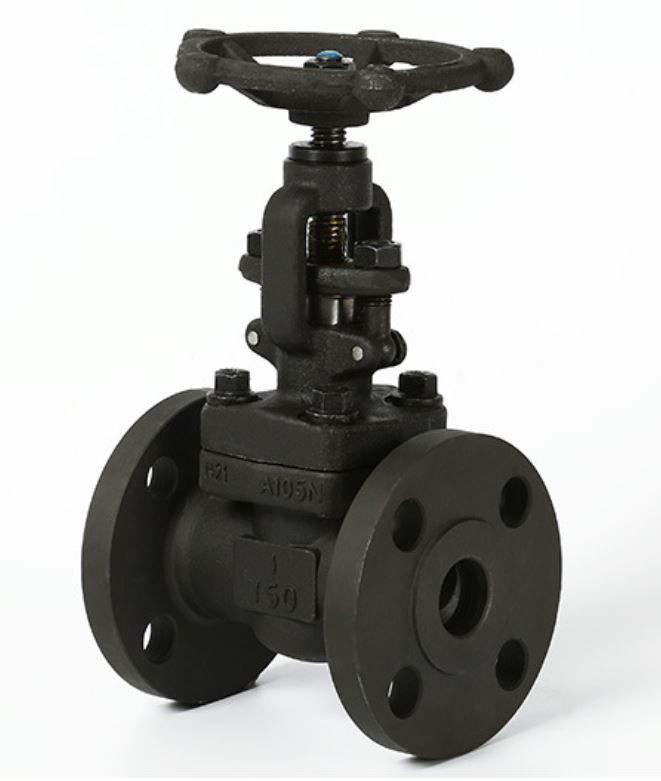
- Gate Valve: Gate valves are commonly used in water treatment systems for on - off control of water flow. The Gate Valve provides a tight shut - off, preventing any backflow when closed. It is a reliable choice for isolating sections of the system, such as during maintenance or in case of emergencies.
Considerations When Using Matching Valves in Water Treatment Systems
- System Compatibility: Before selecting a matching valve, it is essential to ensure that it is compatible with the other components of the water treatment system. This includes considering factors such as the pipe size, connection type, and the operating conditions of the system, such as pressure and temperature.
- Water Quality: The quality of the water being treated can have a significant impact on the performance of the valve. For example, water with high levels of sediment or solids may cause wear and tear on the valve components. In such cases, appropriate filtration upstream of the valve may be required to protect the valve and ensure its long - term performance.
- Maintenance Requirements: Regular maintenance is necessary to keep the valves in good working condition. Matching valves may have specific maintenance requirements, such as lubrication, seal replacement, or calibration. It is important to follow the manufacturer's recommendations to ensure the reliability and longevity of the valves.
Conclusion
In conclusion, matching valves can be an excellent choice for water treatment systems. Their ability to provide precise control, enhanced durability, and improved efficiency makes them well - suited for the demanding requirements of water treatment. By carefully selecting the right type of matching valve and ensuring proper installation and maintenance, water treatment system operators can achieve optimal performance and reliability.
If you are in the process of designing or upgrading a water treatment system and are interested in our matching valve solutions, we invite you to reach out for a detailed procurement discussion. Our team of experts is ready to assist you in selecting the most suitable valves for your specific needs. Whether you require a single valve or a comprehensive valve solution for a large - scale project, we are committed to providing high - quality products and excellent customer service.

References
- ASME Boiler and Pressure Vessel Code
- Water Treatment Plant Design Handbook
- Valve Handbook, by Leslie E. Spira