

As a seasoned check valve supplier, I've witnessed firsthand how various environmental factors can significantly impact the performance of check valves. In this blog, I'll delve into the key environmental elements that can affect a check valve's functionality, durability, and overall efficiency.
Temperature
Temperature is one of the most critical environmental factors that can influence check valve performance. Extreme temperatures, whether high or low, can cause material expansion or contraction, which may lead to leaks, improper sealing, or even structural damage.
At high temperatures, the materials used in check valves can experience thermal expansion. This expansion can cause the valve components to bind or jam, preventing the valve from opening or closing properly. For example, if the disc of a check valve expands due to high temperatures, it may not fit snugly within the valve seat, resulting in a leak. Additionally, high temperatures can degrade the elastomeric seals used in some check valves, reducing their ability to provide a tight seal.
On the other hand, low temperatures can cause materials to contract. This contraction can lead to gaps between the valve components, allowing fluid to leak past the valve. In extreme cold conditions, the fluid itself may thicken or freeze, which can also impede the valve's operation. For instance, a check valve installed in a refrigeration system may experience issues if the temperature drops below the recommended operating range, as the refrigerant may become too viscous to flow freely through the valve.
To mitigate the effects of temperature on check valve performance, it's essential to select valves made from materials that can withstand the expected temperature range. For high-temperature applications, materials such as stainless steel, alloy steel, or ceramics may be suitable, as they have high melting points and good thermal stability. For low-temperature applications, materials that are resistant to cold brittleness, such as certain grades of carbon steel or nickel alloys, should be considered.
Pressure
Pressure is another crucial environmental factor that can affect check valve performance. Check valves are designed to operate within a specific pressure range, and exceeding this range can lead to valve failure.
High pressure can cause excessive stress on the valve components, leading to deformation, cracking, or even rupture. For example, if the pressure in a pipeline exceeds the rated pressure of a check valve, the valve disc may be forced open or closed with excessive force, causing damage to the valve seat or the disc itself. Additionally, high pressure can increase the risk of leakage, as the seals may be unable to withstand the pressure differential.

Low pressure, on the other hand, can also pose challenges for check valves. If the pressure is too low, the valve may not open or close properly, allowing fluid to flow in the wrong direction. This can be particularly problematic in systems where backflow prevention is critical, such as in water supply systems or chemical processing plants.
To ensure proper check valve performance under different pressure conditions, it's important to select valves with the appropriate pressure rating. The pressure rating of a check valve should be based on the maximum pressure that the valve is expected to encounter in the application. Additionally, regular maintenance and inspection of the valves can help detect any signs of pressure-related damage or wear.
Fluid Properties
The properties of the fluid flowing through a check valve can also have a significant impact on its performance. Factors such as viscosity, corrosiveness, and the presence of solids or contaminants can all affect the valve's operation.
Viscous fluids can be more difficult to flow through a check valve, as they require more force to move. This can cause the valve to open and close more slowly, increasing the risk of backflow. Additionally, viscous fluids can leave behind deposits on the valve components, which can interfere with the valve's operation over time.
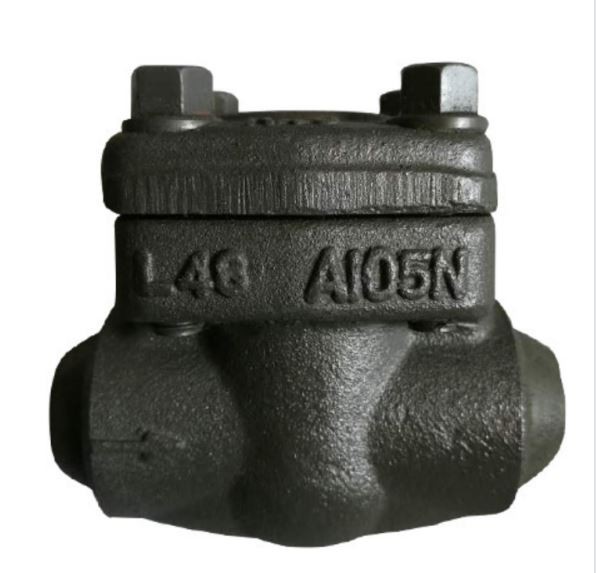
Corrosive fluids can damage the valve materials, leading to leaks, reduced durability, and ultimately, valve failure. For example, if a check valve is exposed to a corrosive chemical, the metal components of the valve may corrode, weakening the structure and compromising the seal. To prevent corrosion, it's important to select valves made from materials that are resistant to the specific corrosive agents present in the fluid.
The presence of solids or contaminants in the fluid can also cause problems for check valves. Solids can get trapped between the valve components, preventing the valve from opening or closing properly. Contaminants can also damage the valve seals, leading to leaks. To address these issues, it may be necessary to install filters or strainers upstream of the check valve to remove the solids and contaminants from the fluid.
Humidity and Moisture
Humidity and moisture can also affect check valve performance, especially in outdoor or humid environments. Moisture can cause corrosion of the valve materials, leading to reduced durability and performance. Additionally, humidity can promote the growth of mold and bacteria on the valve surfaces, which can contaminate the fluid and cause health risks.
To protect check valves from the effects of humidity and moisture, it's important to select valves with appropriate coatings or finishes that can resist corrosion. Additionally, proper installation and maintenance practices can help prevent moisture from entering the valve and causing damage. For example, ensuring that the valve is installed in a dry location and that the connections are properly sealed can help reduce the risk of moisture ingress.
Vibration and Shock
Vibration and shock can also have a negative impact on check valve performance. These forces can cause the valve components to loosen, leading to leaks or improper operation. Additionally, vibration can cause fatigue in the valve materials, reducing their durability over time.
To minimize the effects of vibration and shock on check valves, it's important to install the valves in a stable location and to use appropriate mounting techniques. For example, using vibration isolators or shock absorbers can help reduce the transmission of vibration and shock to the valve. Additionally, regular inspection and maintenance of the valves can help detect any signs of vibration-related damage or wear.
Conclusion
In conclusion, there are several environmental factors that can affect a check valve's performance, including temperature, pressure, fluid properties, humidity and moisture, and vibration and shock. As a check valve supplier, it's important to understand these factors and to work closely with customers to select the right valves for their specific applications. By considering the environmental conditions and choosing valves made from appropriate materials, we can help ensure reliable and efficient operation of check valves in a variety of industries.
If you're in the market for high-quality check valves, we invite you to explore our product range, including Globe Valve, Gate Valve, and Forged check Valve. Our team of experts is ready to assist you in finding the perfect valve solution for your needs. Contact us today to start the procurement and negotiation process.
References
- ASME B16.34 - Valves - Flanged, Threaded, and Welding End
- API 6D - Pipeline Valves - Specification for Pipeline Valves
- ISO 5208 - Industrial Valves - Pressure Testing of Valves