

Yo, folks! As a brass valve supplier, I'm stoked to chat about all the cool automotive applications where brass valves come in super handy. Brass valves have been around for ages, and their versatility makes them a top choice in the automotive world.
Let's start with the basics. Brass is an alloy made up of copper and zinc, and it's got some pretty awesome properties. It's corrosion - resistant, which is a big deal in a car where it's constantly exposed to different elements, like water, road salt, and engine fluids. It's also relatively easy to machine, so it can be made into all sorts of shapes and sizes to fit various automotive needs.
One of the most common automotive applications for brass valves is in the cooling system. You know how a car engine gets super hot when it's running? Well, the cooling system is there to keep things in check. Brass valves are used in the radiator and the coolant lines. For example, a brass temperature - control valve can regulate the flow of coolant through the radiator. When the engine is cold, the valve restricts the coolant flow so the engine can warm up quickly. Once it reaches the optimal operating temperature, the valve opens up, allowing more coolant to circulate and keep the engine from overheating. This helps improve fuel efficiency and extends the life of the engine. You can check out more about our Brass Valve options on our website.
Another area where brass valves shine is in the fuel system. In older cars, brass valves were often used in the carburetor to control the flow of fuel. Even in modern fuel - injection systems, brass valves play a role. They can be used in the fuel pressure regulators. These regulators make sure that the fuel is delivered to the engine at the right pressure. If the pressure is too high, it can cause the engine to run rich, wasting fuel and producing more emissions. If it's too low, the engine might not get enough fuel to run properly. Brass valves' durability and resistance to fuel make them a reliable choice for this critical function.
Brake systems also benefit from brass valves. Brass is used in brake master cylinders and wheel cylinders. In the master cylinder, a brass valve helps control the pressure of the brake fluid. When you press the brake pedal, the valve allows the fluid to flow into the brake lines, which then activates the brakes at the wheels. The corrosion resistance of brass is crucial here because brake fluid can be highly corrosive. If the valve were to corrode, it could lead to brake failure, which is obviously a huge safety risk.
Now, let's talk about air systems in cars. Some vehicles, especially those with air - suspension systems, use brass valves to control the flow of air. These valves can adjust the height of the vehicle, providing a smoother ride and better handling. For instance, when you're driving on a bumpy road, the valves can allow more air into the suspension to soften the ride. And when you're going at high speeds, they can reduce the air volume to lower the vehicle's center of gravity and improve stability.
In addition to these main applications, brass valves are also used in power - steering systems. They help regulate the flow of hydraulic fluid, which is what gives you that easy - to - turn steering wheel. Without the proper control of the fluid flow, steering would be a lot more difficult and less responsive.
One thing I really love about brass valves is that they can be customized. We can make them in different sizes, shapes, and configurations to meet the specific needs of different automotive manufacturers. Whether it's a small, precision - engineered valve for a high - performance sports car or a larger, more robust valve for a heavy - duty truck, we've got the expertise to get the job done.
But wait, there's more! We also offer Cupronickel Valve and Tin Bronze Valve options. Cupronickel valves are great for applications where even higher corrosion resistance is required, like in marine - related automotive parts or in areas with a lot of salt in the air. Tin bronze valves, on the other hand, have excellent wear resistance and can handle high - pressure situations.
If you're in the automotive industry and looking for reliable valve solutions, we're here for you. Our team of experts can work with you to understand your requirements and provide the best valve products. Whether you need a one - time order or a long - term supply contract, we've got the capacity and the quality to meet your needs.

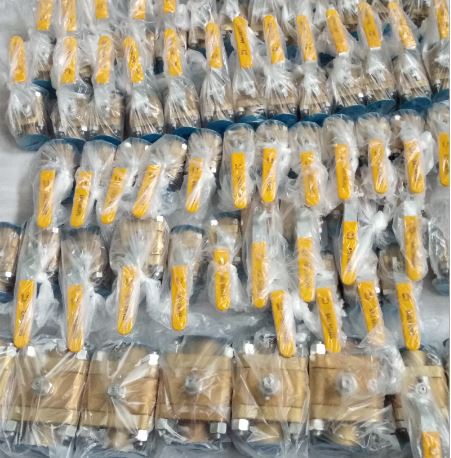
So, if you're interested in learning more about our brass valves or any of our other valve products, don't hesitate to reach out. Let's start a conversation and see how we can help your automotive business thrive. Contact us to start the procurement process and let's get those high - quality valves into your vehicles.
References
- Automotive Engineering Handbook, various editions
- Industry reports on automotive valve applications
- Technical papers on brass and other copper - based alloys in automotive use