

When it comes to valve actuators, one term that often pops up is "resolution." But what exactly is the resolution of a valve actuator? And why does it matter? As a valve actuator supplier, I'm here to break it down for you.
Understanding Resolution in Valve Actuators
Let's start with the basics. Resolution in a valve actuator refers to the smallest incremental change in the actuator's position or output that can be reliably detected and controlled. In simpler terms, it's the smallest "step" the actuator can take.

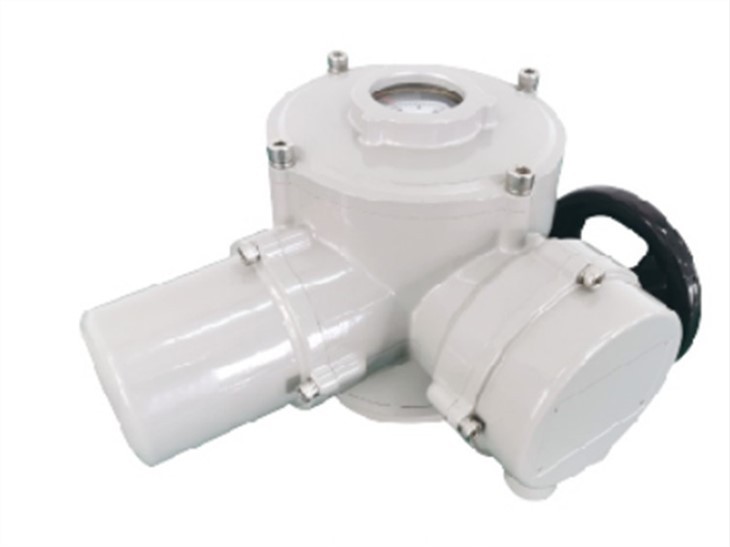
Think of it like a dimmer switch for a light. A low - resolution dimmer might only have a few settings: off, half - bright, and full - bright. On the other hand, a high - resolution dimmer can make very fine adjustments, allowing you to set the light to be just the right level of brightness, whether it's a soft glow or a bright shine.
In the context of valve actuators, resolution is crucial because it determines how precisely the valve can be controlled. For applications where precise flow control is required, such as in chemical processing plants or water treatment facilities, a high - resolution actuator is essential.
Why Resolution Matters
Precision in Flow Control
In industries where even the slightest change in flow rate can have a significant impact on the process, high resolution is a must. For example, in a pharmaceutical manufacturing plant, the dosage of ingredients in a drug formulation needs to be controlled with extreme precision. A valve actuator with poor resolution might not be able to adjust the flow of these ingredients accurately, leading to inconsistent product quality.
Energy Efficiency
A valve actuator with high resolution can also contribute to energy efficiency. By making more precise adjustments, the actuator can optimize the flow of fluids or gases, reducing waste and saving energy. For instance, in a heating, ventilation, and air - conditioning (HVAC) system, a high - resolution actuator can ensure that the right amount of hot or cold air is delivered to different areas of a building, preventing over - or under - heating.
Process Stability
In many industrial processes, maintaining a stable operating condition is critical. A valve actuator with good resolution can help achieve this by making small, incremental adjustments to the valve position as needed. This prevents sudden changes in flow or pressure, which could otherwise disrupt the process and lead to equipment damage or product defects.
Types of Valve Actuators and Their Resolution
Electric Actuator
Electric Actuators are known for their high precision and relatively high resolution. They use an electric motor to drive the valve, and the position of the valve can be controlled very accurately through a feedback system. Electric actuators can typically achieve a resolution in the range of a few degrees of rotation or a small fraction of a millimeter of linear movement, depending on the design and the quality of the control system.
The advantage of electric actuators is that they can be easily integrated with modern control systems, such as programmable logic controllers (PLCs). This allows for complex control algorithms to be implemented, further enhancing the precision of the valve control.
Pneumatic Actuators
Pneumatic Actuators, on the other hand, use compressed air to operate the valve. While they are generally less precise than electric actuators in terms of resolution, they are still widely used in many industrial applications due to their simplicity, reliability, and cost - effectiveness.
Pneumatic actuators typically have a resolution that is somewhat coarser compared to electric actuators. However, advancements in pneumatic technology, such as the use of high - precision positioners, have improved the resolution of pneumatic actuators in recent years.
Factors Affecting the Resolution of Valve Actuators
Mechanical Design
The mechanical design of the actuator plays a significant role in determining its resolution. For example, the type of gearbox or linkage used in the actuator can affect how smoothly and precisely the valve can be moved. A well - designed gearbox with low backlash will allow for more accurate positioning of the valve, resulting in a higher resolution.
Control System
The control system of the actuator is another important factor. A sophisticated control system with high - quality sensors and feedback loops can improve the resolution by accurately measuring the position of the valve and making precise adjustments. For example, an actuator with a digital control system can use advanced algorithms to compensate for any errors or variations in the mechanical components.
Environmental Conditions
Environmental conditions can also have an impact on the resolution of a valve actuator. Factors such as temperature, humidity, and vibration can affect the performance of the actuator's mechanical and electrical components. In harsh environments, additional measures may need to be taken to ensure the actuator maintains its resolution, such as using protective enclosures or temperature - compensated sensors.
Choosing the Right Resolution for Your Application
When selecting a valve actuator, it's important to choose one with the appropriate resolution for your specific application. Here are some questions to consider:
- How precise does the flow control need to be? If your process requires very precise control, such as in a laboratory or a high - tech manufacturing facility, a high - resolution actuator is likely necessary.
- What is the operating environment like? Harsh environments may require an actuator with additional features to maintain its resolution, such as a ruggedized design or temperature - resistant components.
- What is your budget? High - resolution actuators often come with a higher price tag. You need to balance the need for precision with your budget constraints.
Conclusion
In conclusion, the resolution of a valve actuator is a critical factor that can significantly impact the performance of a valve control system. Whether you're looking for Electric Actuator for high - precision applications or Pneumatic Actuators for cost - effective solutions, understanding resolution is key to making the right choice.
As a valve actuator supplier, we have a wide range of actuators with different resolutions to meet the diverse needs of our customers. If you're in the market for a valve actuator and need help choosing the right one for your application, don't hesitate to get in touch. We're here to assist you in finding the perfect solution for your flow control needs.
References
- "Valve Actuators: A Practical Guide" by John Smith
- "Industrial Valve Handbook" by Peter Brown
- Technical documents from leading valve actuator manufacturers