

When it comes to high - temperature applications in industrial settings, the selection of appropriate valves is crucial. As a supplier of Oxygen Global Valves, I often encounter inquiries regarding the suitability of these valves for high - temperature environments. In this blog post, I will delve into the key aspects to help you understand whether Oxygen Global Valves are a good fit for high - temperature applications.
Understanding High - Temperature Applications
High - temperature applications are prevalent in many industries, such as power generation, chemical processing, and metal refining. In power plants, for example, steam at extremely high temperatures is used to drive turbines. Chemical processes may involve reactions that generate high heat, and metal refining requires melting and processing metals at very high temperatures. The conditions in these applications are challenging, with temperatures often exceeding several hundred degrees Celsius. These high temperatures can cause various issues for valves, including material degradation, changes in mechanical properties, and potential leakage.
Characteristics of Oxygen Global Valves
Before assessing their suitability for high - temperature applications, let's first understand the basic characteristics of Oxygen Global Valves. Oxygen Global Valves are designed to handle oxygen - rich environments safely. They are constructed with materials that are compatible with oxygen to prevent any potential fire or explosion hazards. These valves typically feature a globe - shaped body, which provides a good flow control ability. The design allows for precise regulation of the flow rate, making them suitable for applications where accurate flow control is required.
The valve's stem and seat are critical components. The stem is responsible for opening and closing the valve, and the seat ensures a tight seal when the valve is closed. High - quality materials are used in the construction of these parts to ensure durability and reliable performance.
Material Considerations for High - Temperature Applications
One of the most important factors in determining whether a valve is suitable for high - temperature applications is the material of its construction. For Oxygen Global Valves, several materials are commonly used.
Stainless Steel
Stainless steel is a popular choice for many valve applications, including those involving oxygen. It has good corrosion resistance, which is essential when dealing with oxygen to prevent oxidation. In high - temperature applications, certain grades of stainless steel can maintain their mechanical properties up to a certain temperature range. For example, some austenitic stainless steels can withstand temperatures up to around 800 - 900°C without significant loss of strength. However, at higher temperatures, the material may start to undergo phase changes, which can affect its performance.
Alloy Steels
Alloy steels are also used in the construction of Oxygen Global Valves. These steels are specifically designed to have enhanced properties at high temperatures. They often contain elements such as chromium, molybdenum, and vanadium, which improve the steel's strength, hardness, and resistance to oxidation and creep. Creep is the gradual deformation of a material under constant stress at high temperatures. Alloy steels can resist creep better than some other materials, making them more suitable for long - term high - temperature applications.
Ceramic Materials
In some cases, ceramic materials may be used in Oxygen Global Valves for high - temperature applications. Ceramics have excellent high - temperature resistance and can withstand extremely high temperatures, often exceeding 1000°C. They are also highly resistant to corrosion and wear. However, ceramics are brittle, which means they need to be carefully designed and installed to prevent cracking or breaking.

Performance in High - Temperature Environments
Flow Control
Oxygen Global Valves are known for their good flow control capabilities. In high - temperature applications, maintaining accurate flow control is essential. The expansion and contraction of the valve components due to temperature changes can affect the valve's ability to control the flow. However, with proper material selection and design, Oxygen Global Valves can still provide reliable flow control at high temperatures. The globe - shaped body design helps to minimize the impact of temperature - induced changes on the flow path, allowing for consistent regulation of the flow rate.
Sealing Performance
A tight seal is crucial in any valve application, especially in high - temperature and oxygen - rich environments. At high temperatures, the materials of the valve seat and stem can expand or contract. If the expansion or contraction is not properly accounted for in the design, it can lead to leakage. Oxygen Global Valves are designed with special sealing mechanisms to compensate for these temperature - related changes. For example, some valves use flexible seals or spring - loaded seats to ensure a tight seal even as the temperature fluctuates.
Durability
The durability of a valve in high - temperature applications is determined by its ability to withstand the thermal stresses and chemical reactions associated with high temperatures. The materials used in Oxygen Global Valves are selected for their high - temperature resistance and durability. However, over time, the constant exposure to high temperatures can cause some wear and tear. Regular maintenance and inspection are necessary to ensure the long - term performance of the valves. This may include checking for signs of material degradation, such as cracking or oxidation, and replacing worn - out components as needed.
Comparison with Other Oxygen Valves
When considering high - temperature applications, it's also useful to compare Oxygen Global Valves with other types of oxygen valves, such as Oxygen Butterfly Valve and Oxygen Gate Valve.
Oxygen Butterfly Valve
Oxygen Butterfly Valves have a simple design with a disc that rotates to control the flow. They are generally more compact and lighter than Oxygen Global Valves. However, in high - temperature applications, the disc of the butterfly valve may be more prone to warping due to uneven heating. This can affect the sealing performance and flow control accuracy. Oxygen Global Valves, on the other hand, with their globe - shaped body and more robust construction, may offer better performance in terms of maintaining a tight seal and accurate flow control at high temperatures.
Oxygen Gate Valve
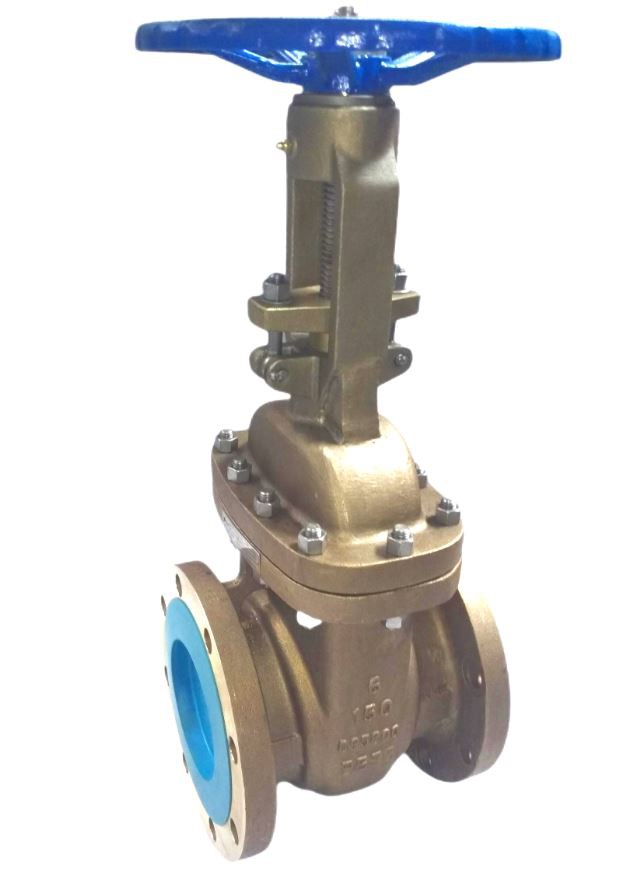
Oxygen Gate Valves are mainly used for on - off control of the flow. They have a gate - like closure element that moves up and down to open or close the valve. While gate valves can handle high - pressure applications well, they may not be as suitable for high - temperature applications as Oxygen Global Valves. The gate and seat of a gate valve can be more difficult to seal properly at high temperatures, and the large surface area of the gate may be more susceptible to thermal stress and deformation.
Case Studies
To further illustrate the suitability of Oxygen Global Valves for high - temperature applications, let's look at some real - world case studies.
In a chemical processing plant, Oxygen Global Valves were installed in a process where the temperature reached up to 600°C. The valves were used to control the flow of oxygen in a reaction chamber. After several years of operation, the valves showed minimal signs of wear and tear. The accurate flow control provided by the valves helped to optimize the chemical reaction, resulting in higher product quality and efficiency.
In a power generation plant, Oxygen Global Valves were used in a steam - based system. The steam temperature was around 500°C. The valves maintained a tight seal, preventing any steam leakage, and provided reliable flow control to ensure the smooth operation of the turbines.
Conclusion
In conclusion, Oxygen Global Valves can be suitable for high - temperature applications, provided that the right materials are used in their construction and the design takes into account the challenges posed by high temperatures. The choice of materials such as stainless steel or alloy steels, along with proper sealing mechanisms and design features, allows these valves to maintain their performance in terms of flow control, sealing, and durability.
Compared to other types of oxygen valves, Oxygen Global Valves often offer better performance in high - temperature environments. Real - world case studies also demonstrate their reliability in such applications.
If you are looking for valves for high - temperature and oxygen - rich applications, Oxygen Global Valves are definitely worth considering. We, as a supplier, have a wide range of Oxygen Global Valves to meet your specific requirements. If you have any questions or need more information about our products, or if you are interested in purchasing our valves, please feel free to contact us for a detailed discussion. We are committed to providing you with the best valve solutions for your high - temperature applications.
References
- ASME Boiler and Pressure Vessel Code
- API Standards for Valves in Oil and Gas Industry
- Valve Handbook by Robert W. Yeaple