

Hey there! As a check valve supplier, I've been getting a lot of questions lately about how the cracking pressure affects the performance of a check valve. So, I thought I'd sit down and write this blog to share my insights on this topic.
First off, let's talk about what cracking pressure is. Simply put, cracking pressure is the minimum upstream pressure required to open a check valve and allow flow to occur. It's like the threshold that the fluid pressure has to cross before the valve starts doing its job.
Now, how does this cracking pressure impact the performance of a check valve? Well, it has a huge influence on several key aspects.
Flow Control
One of the most obvious ways cracking pressure affects performance is in flow control. If the cracking pressure is set too high, it means the fluid has to build up a significant amount of pressure before the valve opens. This can lead to reduced flow rates, especially in systems where the available pressure is limited. For example, in a low - pressure water supply system, a check valve with a high cracking pressure might not open fully, or might not open at all, restricting the water flow to the desired areas.
On the other hand, if the cracking pressure is set too low, the valve might open prematurely. This can cause issues like backflow prevention not working as intended. Backflow is when the fluid starts flowing in the reverse direction, which can contaminate the supply or damage other components in the system. So, getting the right cracking pressure is crucial for proper flow control.
System Efficiency
The cracking pressure also plays a big role in the overall efficiency of the system. In a well - designed system, the check valve should open and close at the right times to ensure smooth operation. When the cracking pressure is optimized, the valve will open just when it needs to, allowing the fluid to flow with minimal resistance. This reduces energy consumption because the pump or other pressure - generating devices don't have to work as hard to push the fluid through the valve.
For instance, in an industrial pipeline system, a check valve with an appropriate cracking pressure can help maintain a consistent flow rate, which in turn improves the efficiency of the entire production process. If the cracking pressure is off, the system might experience pressure drops, increased wear and tear on components, and higher energy costs.
Valve Lifespan
Believe it or not, the cracking pressure can affect the lifespan of the check valve itself. When the cracking pressure is too high, the valve has to withstand a lot of stress every time it opens. This can cause excessive wear on the valve components, such as the disc, seat, and springs. Over time, this wear can lead to leaks, reduced sealing performance, and ultimately, valve failure.
Conversely, a very low cracking pressure can also be problematic. The valve might open and close more frequently than necessary, which can also cause wear and tear. Additionally, if the valve is constantly opening and closing due to a low cracking pressure, it might not be able to form a proper seal when it closes, leading to leakage.
Types of Check Valves and Cracking Pressure
There are different types of check valves, and each type has its own considerations when it comes to cracking pressure.
Swing Check Valves
Swing check valves use a hinged disc that swings open to allow flow and closes to prevent backflow. The cracking pressure of a swing check valve depends on the weight of the disc and the spring (if there is one). A heavier disc will generally require a higher cracking pressure to open. Swing check valves are commonly used in applications where the flow rate is relatively high and the pressure is stable. However, they might not be the best choice for applications with low - pressure or pulsating flows because the disc might not open and close properly.
Lift Check Valves
Lift check valves have a disc that moves vertically to open and close the valve. The cracking pressure of a lift check valve is determined by the spring force and the weight of the disc. Lift check valves are often used in applications where a tight seal is required, such as in steam systems. They can be more precise in controlling the cracking pressure compared to swing check valves, but they might have a higher pressure drop when the valve is open.
Ball Check Valves
Ball check valves use a ball to control the flow. The cracking pressure of a ball check valve depends on the size and weight of the ball and the spring force. Ball check valves are known for their simplicity and reliability. They are often used in small - scale applications, such as in plumbing systems or in some chemical processing applications.
Selecting the Right Cracking Pressure
So, how do you select the right cracking pressure for your check valve? Well, it depends on several factors.
System Pressure
The first thing you need to consider is the system pressure. You need to know the normal operating pressure of the system, as well as the maximum and minimum pressures. The cracking pressure should be set slightly below the normal operating pressure to ensure that the valve opens easily when needed. However, it should also be high enough to prevent backflow under normal conditions.
Flow Rate
The flow rate of the system is also important. If the flow rate is high, you might need a check valve with a lower cracking pressure to allow the fluid to flow smoothly. On the other hand, if the flow rate is low, a higher cracking pressure might be acceptable.
Application Requirements
Different applications have different requirements. For example, in a drinking water supply system, you need to ensure that the check valve prevents backflow to protect the water quality. In an industrial process, you might need to consider factors like temperature, chemical compatibility, and the type of fluid being transported.
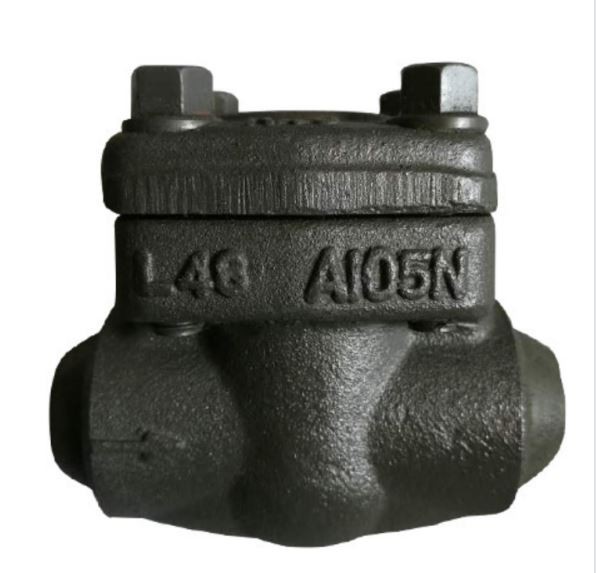
As a check valve supplier, I understand that choosing the right check valve with the appropriate cracking pressure can be a challenging task. That's why we offer a wide range of check valves, including Forged check Valve. We also have other types of valves like Globe Valve and Gate Valve to meet your diverse needs.
If you're in the process of selecting a check valve or have any questions about cracking pressure and its impact on valve performance, don't hesitate to reach out. We have a team of experts who can help you make the right choice for your specific application. Whether you're a small - scale business or a large industrial operation, we're here to provide you with high - quality valves and excellent customer service.
In conclusion, the cracking pressure of a check valve is a critical factor that can significantly affect its performance, as well as the efficiency and reliability of the entire system. By understanding how cracking pressure works and carefully selecting the right value, you can ensure that your check valve operates smoothly and effectively for a long time.

So, if you're looking for a reliable check valve supplier, give us a shout. We're ready to assist you with all your valve - related needs.
References
- "Valve Handbook" by David W. Miller
- "Fluid Mechanics and Thermodynamics of Turbomachinery" by S. L. Dixon