

Hey there! As a supplier of Oxygen Global Valve, I often get asked about the electromagnetic compatibility (EMC) of our electrically actuated valves. In this blog, I'll break down what EMC is, why it matters for our Oxygen Global Valve, and how we ensure our products meet the necessary standards.
What is Electromagnetic Compatibility?
Let's start with the basics. Electromagnetic compatibility is all about how well electronic devices can operate in an electromagnetic environment without causing interference to other devices and without being affected by the electromagnetic emissions from other sources. In simpler terms, it's like making sure all the electronic devices in a room can play nice together without stepping on each other's toes.
When an electrical device operates, it generates electromagnetic fields. These fields can interfere with the operation of other nearby devices. On the flip side, the device itself needs to be resistant to the electromagnetic fields generated by other sources. This balance is what electromagnetic compatibility is all about.
Why is EMC Important for Electrically Actuated Oxygen Global Valves?
Our Oxygen Globle Valve is often used in industrial settings where there are many other electronic devices and electrical systems. These environments can be filled with electromagnetic noise from motors, generators, and other equipment. If our valve is not electromagnetically compatible, it can cause a whole host of problems.
For starters, electromagnetic interference can disrupt the normal operation of the valve. This could lead to inaccurate valve positioning, which is a big deal when you're dealing with oxygen. Oxygen is a highly reactive gas, and any malfunction in the valve could potentially lead to safety hazards.
Moreover, the valve itself can also be a source of electromagnetic interference. If it emits strong electromagnetic fields, it can interfere with the operation of other electronic devices in the vicinity. This can cause problems for other systems in the plant, leading to downtime and increased maintenance costs.
How Do We Ensure Electromagnetic Compatibility in Our Oxygen Global Valves?
At our company, we take electromagnetic compatibility very seriously. We follow a rigorous design and testing process to ensure that our Oxygen Globle Valve meets the highest standards of EMC.
Design Phase
During the design phase, we use advanced simulation tools to model the electromagnetic behavior of the valve. This allows us to identify potential sources of electromagnetic interference and take steps to mitigate them. For example, we use shielded cables to reduce the electromagnetic emissions from the electrical connections. We also carefully select the components used in the valve to ensure that they are designed to operate in an electromagnetic environment.
Manufacturing Phase
In the manufacturing phase, we implement strict quality control measures to ensure that the valves are built to the design specifications. This includes proper grounding and shielding of the electrical components. We also conduct in - process testing to check for any electromagnetic issues before the valve leaves the factory.
Testing Phase
Once the valve is assembled, it undergoes a series of EMC tests. These tests are conducted in an anechoic chamber, which is a special room designed to eliminate external electromagnetic interference. We test the valve for both radiated and conducted emissions, as well as its susceptibility to external electromagnetic fields. Only after the valve passes all these tests is it approved for sale.
Comparing with Other Oxygen Valves
It's worth comparing our Oxygen Globle Valve with other types of oxygen valves, such as Oxygen Ball Valve and Oxygen Check Valve. While all these valves are used for handling oxygen, the electrically actuated Oxygen Global Valve has unique EMC requirements.
Ball valves and check valves may not have the same level of electrical complexity as our Oxygen Global Valve. However, in an industrial environment, even these simpler valves can be affected by electromagnetic interference if they are not properly designed. Our approach to EMC ensures that our Oxygen Global Valve provides a more reliable and stable performance compared to some of the other oxygen valves on the market.
Real - World Applications
Our Oxygen Global Valve is used in a variety of industries, including the medical, chemical, and energy sectors. In the medical field, for example, oxygen valves are used in respiratory equipment. Electromagnetic compatibility is crucial in this application because any interference could affect the accuracy of the oxygen delivery, which can have serious consequences for patients.

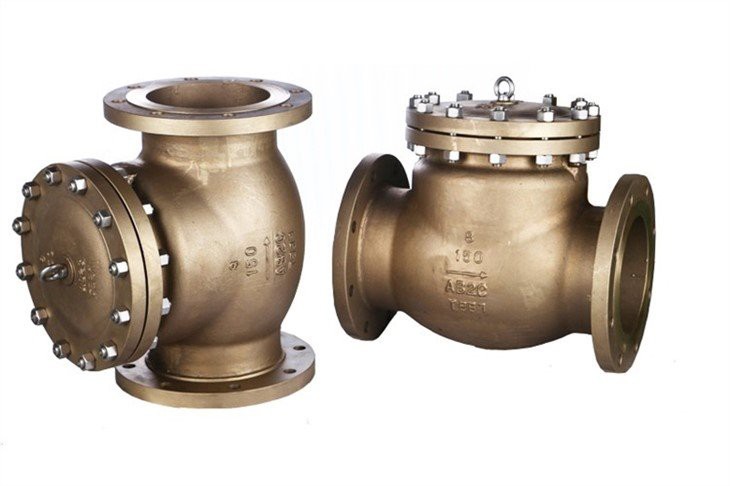
In the chemical industry, oxygen is often used in chemical reactions. Precise control of the oxygen flow is essential, and electromagnetic interference can disrupt this control. Our EMC - compliant Oxygen Global Valve ensures that the chemical processes can run smoothly and safely.
Conclusion
In conclusion, electromagnetic compatibility is a critical aspect of the design and operation of our electrically actuated Oxygen Globle Valve. By ensuring that our valves are electromagnetically compatible, we provide our customers with a reliable and safe solution for handling oxygen in industrial environments.
If you're in the market for an oxygen valve and are concerned about electromagnetic compatibility, look no further. Our Oxygen Global Valve is designed and tested to meet the highest EMC standards. We're here to provide you with the best products and support. If you have any questions or are interested in purchasing our valves, feel free to reach out to us. We'd love to have a chat and discuss how our valves can meet your specific needs.
References
- "Electromagnetic Compatibility Engineering" by Henry W. Ott
- International Electrotechnical Commission (IEC) standards related to electromagnetic compatibility for industrial equipment.