

Selecting the appropriate actuator for a cryogenic valve is a critical decision that can significantly impact the performance, safety, and efficiency of your cryogenic system. As a seasoned cryogenic valve supplier, I understand the complexities involved in this process and am here to guide you through the key considerations to make an informed choice.
Understanding Cryogenic Environments
Cryogenic applications involve extremely low temperatures, typically below -150°C (-238°F). These harsh conditions place unique demands on valves and their actuators. Materials used in cryogenic actuators must maintain their mechanical properties at low temperatures to ensure reliable operation. For instance, certain metals may become brittle and lose their strength, leading to potential failures. Therefore, materials like stainless steel, which retains its toughness and ductility at cryogenic temperatures, are commonly used.
Types of Actuators for Cryogenic Valves
There are several types of actuators available for cryogenic valves, each with its own advantages and limitations.
Pneumatic Actuators
Pneumatic actuators are widely used in cryogenic applications due to their simplicity, reliability, and cost - effectiveness. They operate using compressed air or gas to generate the force required to open and close the valve. Pneumatic actuators can be either spring - return or double - acting. Spring - return actuators use a spring to return the valve to a default position (either open or closed) when the air supply is removed. Double - acting actuators use air pressure to move the valve in both directions.
One of the main benefits of pneumatic actuators is their fast response time, which is crucial in applications where quick valve operation is required. However, they require a reliable source of compressed air or gas, and the performance can be affected by changes in air pressure.
Electric Actuators
Electric actuators are another popular choice for cryogenic valves. They offer precise control and can be easily integrated with automation systems. Electric actuators convert electrical energy into mechanical motion, typically through a motor and a gearbox.
The advantage of electric actuators is their ability to provide accurate positioning and repeatability. They are also suitable for applications where a continuous power supply is available and where remote control is required. However, they may have a slower response time compared to pneumatic actuators, and they can be more expensive to install and maintain.
Hydraulic Actuators
Hydraulic actuators use hydraulic fluid to generate force. They are capable of providing high torque and are suitable for large - sized cryogenic valves. Hydraulic actuators offer excellent control and can operate in high - pressure environments.
However, hydraulic systems are more complex than pneumatic or electric systems. They require a hydraulic power unit, which includes a pump, reservoir, and control valves. Maintenance of hydraulic systems can be more challenging, and there is a risk of fluid leakage, which can be a safety concern in cryogenic applications.
Key Considerations When Choosing an Actuator
Torque Requirements
The torque required to operate a cryogenic valve depends on several factors, including the valve size, type, and the pressure differential across the valve. It is essential to accurately calculate the torque requirements to ensure that the selected actuator can provide sufficient force to open and close the valve.
For example, a Cryogenic Ball Valve may require different torque values compared to a Cryogenic Butterfly Valve of the same size, due to differences in their design and sealing mechanisms.
Operating Speed
The required operating speed of the valve is another important consideration. In some cryogenic applications, such as emergency shutdown systems, a fast - acting valve is essential. Pneumatic actuators are often the preferred choice in these situations due to their rapid response time. In other applications, where precise control is more important than speed, electric actuators may be more suitable.
Environmental Conditions
In addition to the low temperatures, cryogenic environments may also be exposed to other hazards such as moisture, dust, and corrosive substances. The actuator must be able to withstand these conditions to ensure long - term reliability.
For example, if the cryogenic system is located in a coastal area, the actuator should be protected against corrosion. Special coatings or materials can be used to enhance the actuator's resistance to environmental factors.
Safety and Reliability
Safety is of utmost importance in cryogenic applications. The actuator should be designed to prevent failures that could lead to leaks or other hazardous situations. Redundancy features, such as backup power supplies or dual - acting actuators, can be incorporated to improve the reliability of the system.
Compatibility with the Valve
The actuator must be compatible with the cryogenic valve in terms of size, mounting, and interface. It is important to ensure that the actuator can be easily installed on the valve and that it can operate the valve smoothly without causing any damage.
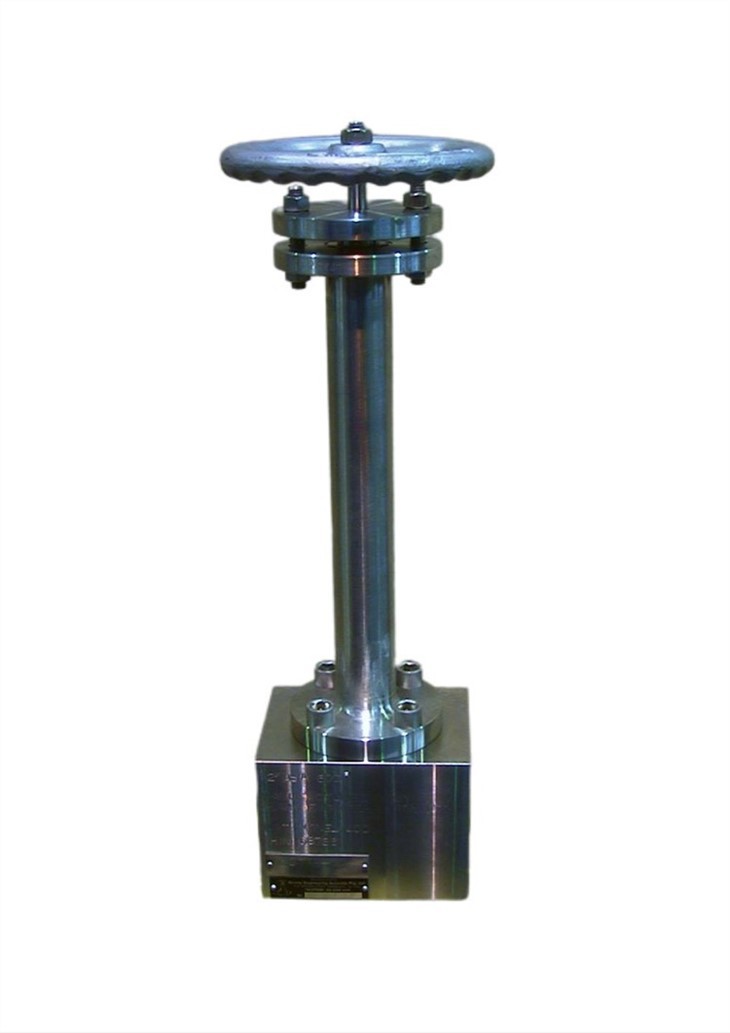

Case Studies
Let's consider a few case studies to illustrate the importance of choosing the right actuator for cryogenic valves.
In a liquefied natural gas (LNG) storage facility, a large - sized cryogenic ball valve was used to control the flow of LNG. Initially, a pneumatic actuator was installed, but due to the high torque requirements of the valve, the actuator was unable to provide sufficient force to open and close the valve reliably. After careful analysis, an electric actuator with a high - torque motor was selected. The new actuator provided the necessary torque and improved the overall performance of the valve.
In another case, a cryogenic butterfly valve was used in a research laboratory for cryogenic experiments. The valve needed to be operated quickly to control the flow of cryogenic fluid. A pneumatic actuator was chosen for its fast response time, and it successfully met the requirements of the application.
Conclusion
Choosing the right actuator for a cryogenic valve is a complex process that requires careful consideration of various factors. As a cryogenic valve supplier, I am committed to helping you make the best decision for your specific application. By understanding the unique requirements of cryogenic environments, the different types of actuators available, and the key considerations in the selection process, you can ensure the reliable and efficient operation of your cryogenic system.
If you are in the process of selecting an actuator for your cryogenic valve or have any questions about our cryogenic valve products, I encourage you to contact us for a detailed consultation. Our team of experts is ready to assist you in finding the most suitable solution for your needs.
References
- ASME B31.3 Process Piping Code
- API 6D Specification for Pipeline Valves
- ISO 15848 - 1 Industrial valves - Measurement, test and qualification procedures for fugitive emissions