

Hey there! I'm an Inconel Valve supplier, and I know that one of the big concerns for folks in the industry is how to enhance the sealing performance of Inconel Valves. I want to share some tips and insights based on my experience in this field.
Understanding Inconel Valves
First off, let's briefly talk about Inconel Valves. Inconel is a super - alloy known for its excellent corrosion resistance, high - temperature strength, and good oxidation resistance. These valves are widely used in various industries, like chemical processing, oil and gas, and power generation. The sealing performance of these valves is crucial because any leakage can lead to safety hazards, product loss, and increased operational costs.
Factors Affecting Sealing Performance
Material Selection
The material used for the sealing parts of the valve plays a huge role. For Inconel Valves, we need to choose materials that can withstand the harsh conditions they'll be exposed to. For example, if the valve is used in a high - temperature and high - pressure environment, the sealing material should have good thermal stability and mechanical properties. Graphite is a popular choice for high - temperature applications as it has good lubricity and heat resistance. But we also need to consider its chemical compatibility with the medium flowing through the valve.
Surface Finish
The surface finish of the valve seating and sealing surfaces is crucial. A rough surface can cause gaps, leading to leakage. During the manufacturing process, we need to ensure that the surface finish meets the required standards. Usually, a smooth surface finish with a low roughness value is preferred. This can be achieved through machining processes like grinding and lapping.
Design of the Sealing Structure
The design of the sealing structure also impacts performance. Some common sealing structures include seat - type seals, packing seals, and diaphragm seals. For Inconel Valves, a well - designed seat - type seal can provide excellent sealing performance. The shape and angle of the seat can be optimized to ensure a tight fit between the valve disc and the seat when the valve is closed.
Ways to Enhance Sealing Performance
Select the Right Sealing Material
As I mentioned earlier, choosing the appropriate sealing material is vital. For high - temperature applications, besides graphite, ceramic materials can also be a good option. They have even better heat resistance and chemical stability. For applications where the medium is highly corrosive, we might consider using special polymers that are resistant to corrosion.
If you're dealing with different special - material valves, you might also be interested in Zirconium Valve, Monel Valve, and Hastelloy Valve. Each of these has its own unique properties and sealing requirements.
Improve Surface Finish
To improve the surface finish, we can use advanced machining techniques. Precision grinding can reduce the surface roughness of the valve seating and sealing surfaces. After machining, we can also perform a surface treatment, such as polishing or coating. A thin coating on the sealing surface can not only improve the surface smoothness but also enhance its corrosion resistance.
Optimize the Sealing Structure
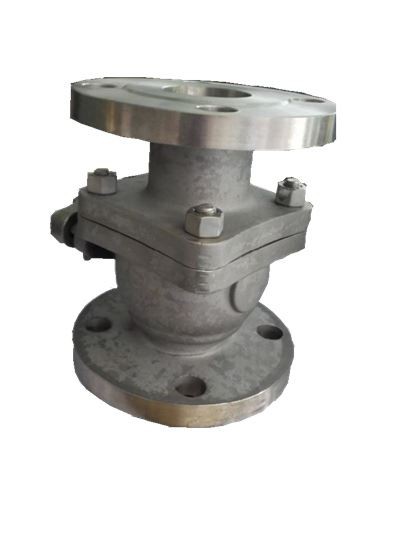
For Inconel Valves, we can optimize the seat - type sealing structure. For example, we can use a double - sealing or multi - sealing structure. This means having multiple sealing surfaces or layers, which can increase the reliability of the seal. In some cases, we can also add a sealing auxiliary device, like a spring - loaded seat, to ensure constant contact between the valve disc and the seat under different operating conditions.

Proper Installation and Maintenance
Proper installation is also key to enhancing sealing performance. During installation, we need to make sure that the valve is installed in the correct direction and that all the bolts are tightened to the specified torque. Any misalignment or improper tightening can lead to uneven stress on the sealing surfaces and cause leakage.
Regular maintenance is equally important. We should regularly inspect the valve for signs of wear or damage to the sealing parts. Replace any worn - out parts promptly to prevent leakage. Also, keep the valve clean to avoid the accumulation of dirt or debris, which can affect the sealing performance.
Testing and Quality Control
Sealing Test
We should conduct comprehensive sealing tests on the Inconel Valves before they are shipped to customers. There are different types of sealing tests, such as the hydrostatic test and the pneumatic test. The hydrostatic test uses water to check for leaks under pressure, while the pneumatic test uses air or gas. These tests can help us identify any potential sealing problems and ensure that the valves meet the required standards.
Quality Control in Manufacturing
Throughout the manufacturing process, we need to implement strict quality control measures. This includes inspecting the raw materials, monitoring the machining processes, and conducting final inspections on the finished valves. By ensuring high - quality manufacturing, we can improve the overall sealing performance of the Inconel Valves.
Conclusion
Enhancing the sealing performance of Inconel Valves requires a comprehensive approach. From material selection, surface finish improvement, and sealing structure optimization to proper installation, maintenance, and quality control, every step matters. As an Inconel Valve supplier, I'm committed to providing high - quality valves with excellent sealing performance.
If you're in the market for Inconel Valves or have any questions about sealing performance enhancement, don't hesitate to reach out. We can have a detailed discussion about your specific requirements and find the best solutions for you.
References
- ASME Standards for Valve Design and Manufacturing
- API Standards for Valve Testing and Performance
- Technical Literature on Inconel Alloys and Their Applications