

Ensuring the tightness of cryogenic valve connections is a critical aspect in various industries where cryogenic applications are prevalent, such as liquefied natural gas (LNG) processing, aerospace, and medical research. As a cryogenic valve supplier, I understand the significance of providing valves with reliable connections to prevent leakage, which can lead to safety hazards, product loss, and operational inefficiencies. In this blog post, I will share some key strategies and considerations to ensure the tightness of cryogenic valve connections.
Understanding the Challenges of Cryogenic Environments
Cryogenic applications involve extremely low temperatures, typically below -150°C (-238°F). These low temperatures can cause materials to contract, which may lead to loosening of connections and potential leakage. Additionally, cryogenic fluids are often volatile and can pose significant safety risks if they escape. Therefore, it is essential to select appropriate materials and connection methods that can withstand the harsh cryogenic environment.
Material Selection
The choice of materials for cryogenic valve connections is crucial. Materials must have good low-temperature properties, including high strength, ductility, and resistance to brittle fracture. Common materials used for cryogenic valves include stainless steel, nickel alloys, and certain types of plastics.
- Stainless Steel: Stainless steel is a popular choice for cryogenic valve components due to its excellent corrosion resistance and mechanical properties at low temperatures. Austenitic stainless steels, such as 304 and 316, are commonly used because they remain ductile at cryogenic temperatures.
- Nickel Alloys: Nickel alloys, such as Inconel and Monel, offer superior strength and corrosion resistance compared to stainless steel. They are often used in applications where higher performance is required, such as in LNG storage and transportation.
- Plastics: Some plastics, such as polytetrafluoroethylene (PTFE), have good low-temperature properties and are used as sealing materials in cryogenic valves. PTFE has excellent chemical resistance and low friction, making it suitable for use in valve seats and gaskets.
Connection Types
There are several types of connections used in cryogenic valves, each with its own advantages and disadvantages. The choice of connection type depends on factors such as the application requirements, the type of fluid being handled, and the operating conditions.
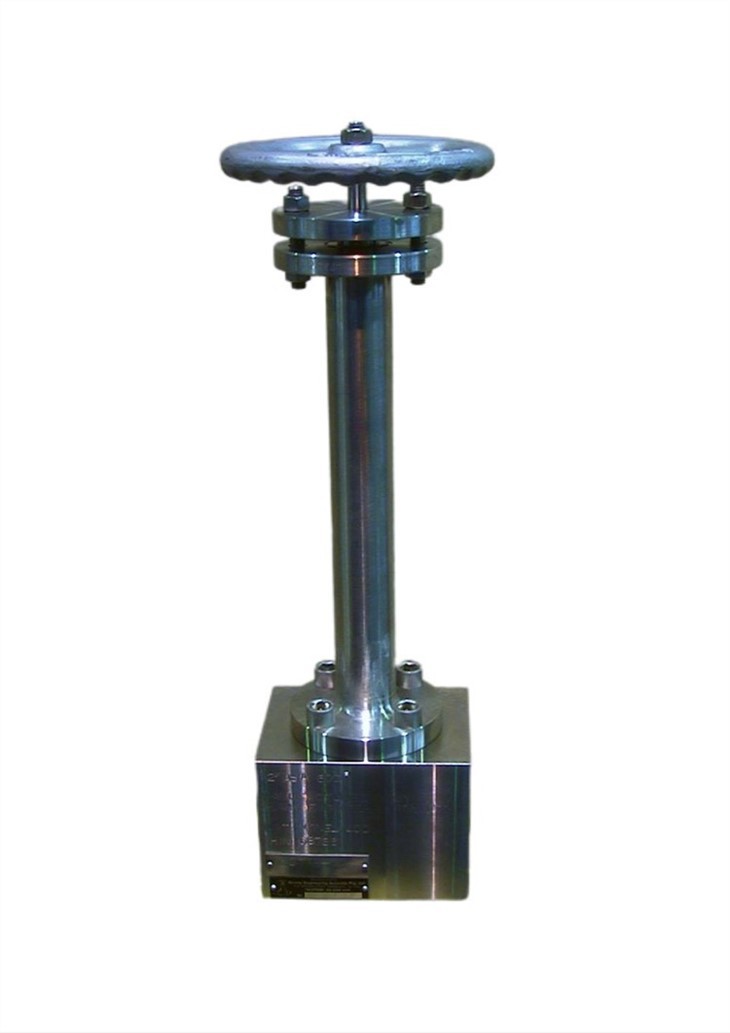
- Flanged Connections: Flanged connections are one of the most common types of connections used in cryogenic valves. They consist of two flanges that are bolted together with a gasket in between to provide a seal. Flanged connections are easy to install and maintain, and they can be used in high-pressure applications. However, they require proper alignment and tightening to ensure a tight seal.
- Threaded Connections: Threaded connections are another common type of connection used in cryogenic valves. They are simple and cost-effective, but they may not be suitable for high-pressure applications. Threaded connections require the use of thread sealants to prevent leakage, and they must be tightened to the correct torque to ensure a tight seal.
- Welded Connections: Welded connections provide a permanent and leak-tight seal, making them suitable for high-pressure and high-temperature applications. However, they require specialized welding equipment and skills, and they are difficult to repair or modify once installed.
- Compression Fittings: Compression fittings are used to connect pipes and tubes in cryogenic systems. They consist of a compression nut, a ferrule, and a body. When the nut is tightened, the ferrule is compressed against the pipe or tube, creating a seal. Compression fittings are easy to install and remove, but they may not be suitable for high-pressure applications.
Installation and Maintenance
Proper installation and maintenance are essential to ensure the tightness of cryogenic valve connections. Here are some key considerations:
- Installation: During installation, it is important to follow the manufacturer's instructions carefully. This includes proper alignment of the valve and the piping, tightening the bolts or nuts to the correct torque, and using the appropriate gasket or sealant. It is also important to clean the mating surfaces of the valve and the piping to remove any dirt, debris, or contaminants that could affect the seal.
- Maintenance: Regular maintenance is required to ensure the continued tightness of cryogenic valve connections. This includes inspecting the valves and connections for signs of leakage, corrosion, or damage, and replacing any worn or damaged components as needed. It is also important to lubricate the valve stems and moving parts to prevent sticking and ensure smooth operation.
Testing and Inspection
Testing and inspection are important steps in ensuring the tightness of cryogenic valve connections. Here are some common testing methods:
- Pressure Testing: Pressure testing is used to check the integrity of the valve and the connections under pressure. This involves filling the valve and the piping with a test fluid, such as nitrogen or helium, and applying a pressure that is higher than the normal operating pressure. The valve and the connections are then inspected for signs of leakage.
- Leak Detection: Leak detection is used to identify any small leaks that may not be detected by pressure testing. This involves using a leak detector, such as a helium mass spectrometer or a bubble leak detector, to detect the presence of gas or fluid leakage.
- Visual Inspection: Visual inspection is used to check the valve and the connections for signs of damage, corrosion, or wear. This involves inspecting the valve body, the stem, the packing, the gasket, and the bolts or nuts for any cracks, dents, or other defects.
Conclusion
Ensuring the tightness of cryogenic valve connections is a critical aspect of cryogenic applications. By selecting appropriate materials, connection types, and installation and maintenance practices, and by conducting regular testing and inspection, it is possible to minimize the risk of leakage and ensure the safe and efficient operation of cryogenic systems. As a cryogenic valve supplier, I am committed to providing high-quality valves and technical support to help our customers meet their cryogenic application requirements.
If you are interested in learning more about our Cryogenic Butterfly Valve or Cryogenic Ball Valve, or if you have any questions or need assistance with your cryogenic valve selection, please do not hesitate to contact us. We look forward to the opportunity to discuss your needs and provide you with the best solutions for your cryogenic applications.

References
- ASME B31.3 Process Piping Code
- API 6D Pipeline Valves Specification
- ISO 15848-1 Industrial Valves - Measurement, Test and Validation Procedures for Fugitive Emissions
- NACE MR0175/ISO 15156 Petroleum and Natural Gas Industries - Materials for Use in H2S-Containing Environments in Oil and Gas Production