

How to install an Oxygen Global Valve in a vertical pipeline?
As a supplier of Oxygen Global Valves, I am often asked about the proper installation procedures, especially in vertical pipelines. Installing an Oxygen Global Valve correctly is crucial for ensuring the safety and efficiency of the entire system. In this blog, I will guide you through the step - by - step process of installing an Oxygen Global Valve in a vertical pipeline.
1. Pre - installation Preparations
Before you start the installation, it is essential to conduct a series of preparatory work. First, make sure you have the right valve for the job. An Oxygen Global Valve is designed specifically for use with oxygen, and it must meet the required specifications for your pipeline system, such as pressure rating, temperature range, and flow capacity.
Inspect the valve thoroughly for any visible damage, such as cracks, dents, or scratches. Check the valve's seat and disc for proper sealing. Also, ensure that all the necessary tools are available, including wrenches, pipe cutters, thread sealants (if applicable), and safety equipment like gloves and goggles.
Examine the vertical pipeline where the valve will be installed. The pipeline should be clean and free from debris, rust, and other contaminants. If necessary, clean the pipeline using appropriate cleaning agents and methods. Measure the pipeline's diameter to ensure it matches the valve's connection size.
2. Positioning the Valve
Determine the correct location for the Oxygen Global Valve in the vertical pipeline. The valve should be installed in a position that allows for easy access for operation, maintenance, and inspection. It is recommended to install the valve at a point where there is sufficient straight - run pipe upstream and downstream to ensure proper flow distribution.
For a vertical pipeline, the valve can be installed with the stem in either a horizontal or vertical position. However, if the valve is installed with a vertical stem, make sure that the actuator (if any) is properly supported to prevent excessive stress on the valve body. When positioning the valve, consider the direction of flow. Most Oxygen Global Valves have an arrow indicating the correct flow direction, and it is crucial to align the valve with the flow direction in the pipeline.

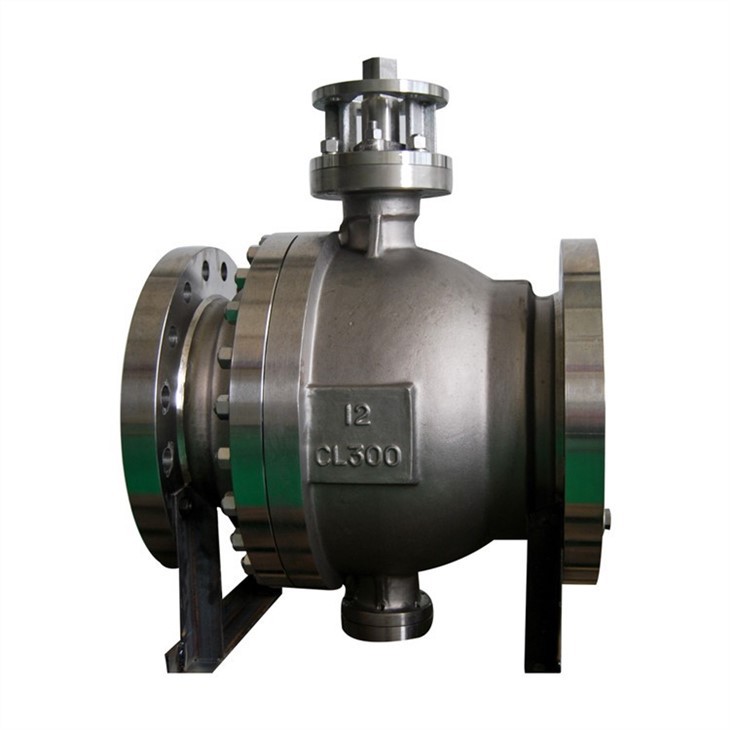
3. Cutting and Preparing the Pipeline
If the pipeline needs to be cut to accommodate the valve, use a proper pipe cutter to make a clean and straight cut. Ensure that the cut is perpendicular to the pipeline axis to ensure a proper fit with the valve. After cutting, deburr the edges of the pipeline to prevent any sharp edges from damaging the valve's seals.
If the valve has threaded connections, prepare the pipe threads by applying a suitable thread sealant. Make sure to follow the manufacturer's instructions for the correct application of the sealant. For flanged connections, clean the flange faces of the pipeline and the valve to remove any dirt or debris. Check the flange gaskets for proper size and condition.
4. Connecting the Valve to the Pipeline
For threaded connections, carefully thread the valve onto the pipeline. Use a wrench to tighten the connection, but be careful not to over - tighten, as this can damage the threads or the valve body. A general rule of thumb is to tighten the connection until it is snug and then give it an additional quarter - turn.
In the case of flanged connections, align the valve flanges with the pipeline flanges. Insert the flange gaskets between the flanges, making sure they are centered. Use bolts and nuts to secure the flanges together. Tighten the bolts evenly in a criss - cross pattern to ensure uniform pressure distribution across the flange faces. Refer to the valve's installation manual for the recommended torque values for the bolts.
5. Testing the Installation
Once the Oxygen Global Valve is installed in the vertical pipeline, it is necessary to test the installation for leaks. Close the valve and apply pressure to the pipeline. You can use a pressure gauge to monitor the pressure. Check all the connection points, including the threaded connections and flanged joints, for any signs of leakage.
If a leak is detected, carefully identify the source of the leak. For threaded connections, it may be necessary to loosen the connection slightly and re - apply the thread sealant. For flanged connections, check the gasket and ensure that the bolts are tightened evenly. After making any adjustments, repeat the pressure test until no leaks are detected.
6. Commissioning the Valve
After successfully testing the installation, the valve can be commissioned. Open and close the valve several times to ensure smooth operation. Check the valve's actuator (if any) for proper functioning. If the valve is part of a larger system, gradually introduce the oxygen flow into the pipeline while monitoring the valve's performance.
During commissioning, pay attention to any abnormal noises, vibrations, or pressure fluctuations. These could indicate potential problems with the valve or the pipeline system. If any issues are detected, stop the flow immediately and investigate the cause.
7. Maintenance Considerations
Regular maintenance is essential for the long - term performance of the Oxygen Global Valve. Establish a maintenance schedule that includes tasks such as lubricating the valve stem, inspecting the seals, and checking the actuator (if any). Keep a record of all maintenance activities, including the date, type of maintenance, and any findings.
If the valve needs to be replaced or repaired, follow the proper procedures to ensure safety. Always refer to the valve's manufacturer for guidance on replacement parts and repair methods.
Conclusion
Installing an Oxygen Global Valve in a vertical pipeline requires careful planning, proper preparation, and precise execution. By following the steps outlined in this blog, you can ensure a safe and efficient installation. As a trusted supplier of Oxygen Global Valves, we are committed to providing high - quality products and technical support. If you have any questions or need further assistance with valve installation or selection, feel free to contact us for a procurement discussion.
References
- Valve Installation and Maintenance Manuals provided by valve manufacturers.
- Industry standards for oxygen pipeline systems and valve installation.