

As a seasoned supplier of forged valves, I've witnessed firsthand the critical role these components play in various industries. One of the most significant aspects that potential buyers often inquire about is the impact resistance of forged valves. In this blog post, I'll delve into the details of what impact resistance means for forged valves, how it's measured, and why it matters in real - world applications.
Understanding Impact Resistance
Impact resistance refers to a valve's ability to withstand sudden and intense forces without suffering permanent damage or failure. In industrial settings, valves are exposed to a wide range of conditions that can subject them to impacts. For example, in a pipeline system, a valve may experience water hammer, which is a pressure surge caused by the sudden change in fluid flow velocity. This can generate a significant impact force on the valve components.
Another scenario where impact resistance is crucial is in offshore oil and gas platforms. These facilities are often located in harsh environments, where valves may be struck by waves, debris, or equipment during maintenance or operation. A valve with poor impact resistance may crack, leak, or malfunction under such conditions, leading to safety hazards and costly downtime.
Factors Affecting Impact Resistance
Several factors contribute to the impact resistance of forged valves.
Material Quality
The material used in the forging process is of utmost importance. High - quality alloys, such as stainless steel, carbon steel, and alloy steel, are commonly used in forged valves. These materials have excellent mechanical properties, including high strength and toughness, which are essential for withstanding impacts. For instance, stainless steel offers good corrosion resistance along with high impact strength, making it suitable for applications in chemical and marine industries.

Forging Process
The forging process itself can significantly affect the impact resistance of valves. Forging involves shaping metal by applying compressive forces, which aligns the grain structure of the metal. A well - executed forging process results in a more uniform and dense grain structure, enhancing the valve's overall strength and toughness. In contrast, valves made through casting or other manufacturing methods may have a less favorable grain structure, making them more susceptible to impact damage.
Design and Geometry
The design and geometry of the valve also play a role in its impact resistance. Valves with a more robust and streamlined design are better able to distribute impact forces evenly across their structure. For example, a valve with a thick - walled body and well - supported internal components is less likely to deform or break under impact. Additionally, the shape of the valve's ports and passages can affect the flow of fluid and the forces acting on the valve during operation, which in turn influences its impact resistance.
Measuring Impact Resistance
There are several standard tests used to measure the impact resistance of forged valves.
Charpy Impact Test
The Charpy impact test is a widely used method for evaluating the toughness of materials. In this test, a notched specimen is struck by a pendulum hammer, and the energy absorbed during the fracture is measured. The higher the energy absorbed, the greater the impact resistance of the material. Forged valve manufacturers often conduct Charpy impact tests on samples of the valve material to ensure that it meets the required standards.
Drop Test
A drop test involves dropping a weight onto the valve from a specified height. The valve is then inspected for any signs of damage, such as cracks or deformation. This test simulates real - world impacts that the valve may encounter during handling, installation, or operation. Drop tests can be customized based on the specific requirements of the application, such as the weight of the dropped object and the height of the drop.
Importance of Impact Resistance in Different Applications
Oil and Gas Industry
In the oil and gas industry, valves are used in various stages of exploration, production, and transportation. Valves in offshore platforms need to withstand the impact of waves, floating debris, and heavy equipment. Onshore pipelines also require valves with high impact resistance to handle sudden pressure surges and potential impacts from external sources. A valve failure in this industry can lead to oil spills, environmental damage, and significant financial losses. For example, a gate valve used in a high - pressure pipeline must be able to withstand the forces generated by sudden shutdowns to prevent leaks and ensure the safety of the entire system. Gate Valve
Power Generation
Power plants, whether they are thermal, hydro, or nuclear, rely on valves to control the flow of steam, water, and other fluids. In a hydroelectric power plant, valves may be exposed to high - velocity water flow and potential impacts from floating objects in the reservoir. In a nuclear power plant, the integrity of valves is crucial for maintaining the safety of the entire facility. A valve with poor impact resistance could fail during an emergency shutdown, leading to a loss of control over the power generation process. Globe Valve
Chemical Processing
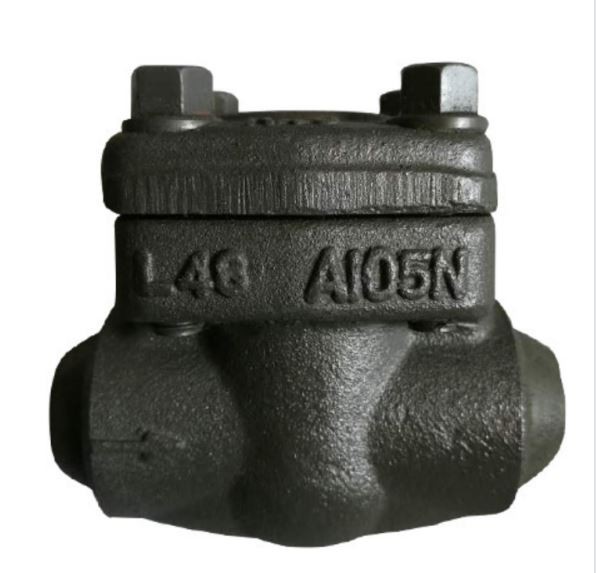
The chemical processing industry uses valves to handle a variety of corrosive and hazardous chemicals. Valves in this industry need to have high impact resistance to prevent leaks and spills, which can be extremely dangerous. For example, a forged check valve in a chemical pipeline must be able to withstand the impact of sudden changes in fluid flow direction to prevent backflow and ensure the proper functioning of the process. Forged check Valve
Our Approach as a Forged Valve Supplier
As a forged valve supplier, we understand the importance of impact resistance in different applications. We source only the highest - quality materials from trusted suppliers and use advanced forging techniques to ensure that our valves have excellent impact resistance. Our manufacturing process is strictly monitored to meet international standards and customer requirements.
We conduct comprehensive impact tests on all our valves before they are shipped to customers. This includes both Charpy impact tests and drop tests, as well as other specialized tests based on the specific application of the valve. Our quality control team inspects each valve thoroughly to ensure that it meets our strict quality standards.
Contact Us for Procurement
If you are in the market for forged valves with high impact resistance, we are here to help. Our team of experts can provide you with detailed information about our products, including their impact resistance properties, materials, and design features. We can also work with you to customize valves to meet your specific application requirements. Whether you are in the oil and gas, power generation, or chemical processing industry, we have the right forged valves for you. Contact us today to start the procurement process and discuss your needs.
References
- ASME Standards on Forged Valves
- API Specifications for Valves in Oil and Gas Industry
- ASTM Standards for Impact Testing of Materials