

In the realm of fluid control systems, floating ball valves are a popular choice due to their simplicity, reliability, and cost - effectiveness. As a well - established floating ball valve supplier, I've witnessed firsthand the widespread use of these valves in various applications. However, when it comes to high - flow applications, floating ball valves do come with certain limitations that need to be carefully considered.
Pressure Drop Concerns
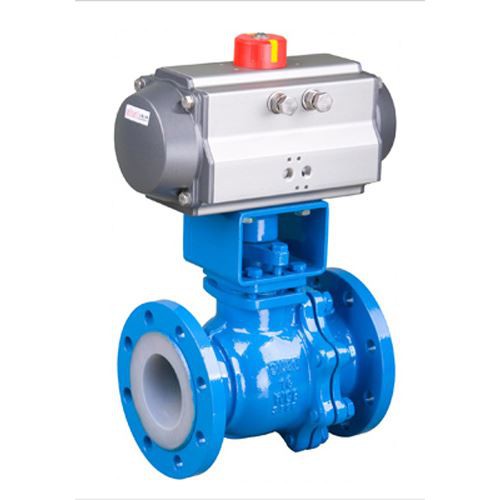
One of the primary limitations of using a floating ball valve in high - flow applications is the significant pressure drop that can occur. In a floating ball valve, the ball is held in place by the upstream and downstream seats. When fluid flows through the valve, the ball moves slightly downstream, creating a seal against the downstream seat. In high - flow situations, the large volume of fluid passing through the valve can cause a substantial pressure drop across the valve.
This pressure drop is mainly due to the restricted flow path created by the ball and the seats. The fluid has to change direction as it passes through the valve, which results in energy losses. According to industry research, the pressure drop in a floating ball valve can be as high as 2 - 3 times that of a full - bore ball valve in high - flow scenarios. For industries where maintaining a consistent pressure is crucial, such as in large - scale water distribution systems or high - flow chemical processing plants, this pressure drop can be a major drawback. It may require additional pumping power to compensate for the lost pressure, leading to increased energy consumption and operational costs.
Cavitation and Erosion
Cavitation is another significant issue when using floating ball valves in high - flow applications. Cavitation occurs when the pressure of a liquid drops below its vapor pressure, causing the formation of vapor bubbles. When these bubbles collapse, they generate high - energy shockwaves that can cause severe damage to the valve components.
In high - flow situations, the high - velocity fluid passing through the restricted opening of the floating ball valve can create low - pressure zones where cavitation is likely to occur. The ball and the seats of the floating ball valve are particularly vulnerable to cavitation damage. The repeated impact of the collapsing bubbles can erode the surface of the ball and the seats, leading to leakage and reduced valve performance over time.
Erosion can also be a problem in high - flow applications. The high - velocity fluid can carry solid particles or abrasive materials, which can wear away the valve components. The floating ball valve's relatively simple design, with the ball floating between the seats, may not be as effective in resisting erosion compared to more specialized valve designs. The erosion of the ball and the seats can compromise the valve's sealing ability, leading to increased leakage and potential system failures.
Limited Flow Capacity
Although floating ball valves are available in various sizes, their flow capacity may still be limited in high - flow applications. The design of the floating ball valve restricts the flow area to a certain extent. The ball and the seats create a partial obstruction to the fluid flow, which becomes more pronounced as the flow rate increases.
In comparison to other valve types, such as gate valves or butterfly valves, floating ball valves may not be able to handle extremely high flow rates. For example, in a large - scale oil pipeline with a high - flow requirement, a floating ball valve may not be able to provide the necessary flow capacity without causing excessive pressure drop. This limitation can force engineers to choose larger - sized floating ball valves or alternative valve designs to meet the high - flow demands of the application.

Sealing Challenges in High - Flow
Maintaining a reliable seal is crucial for the proper functioning of any valve, especially in high - flow applications. In a floating ball valve, the sealing mechanism relies on the pressure of the fluid to push the ball against the downstream seat. However, in high - flow situations, the dynamic forces acting on the ball can make it difficult to maintain a consistent seal.
The high - velocity fluid can cause the ball to vibrate or move erratically, which may lead to leakage around the seats. Additionally, the erosion and cavitation damage mentioned earlier can also compromise the sealing surface of the ball and the seats, further increasing the risk of leakage. In applications where zero - leakage is required, such as in the handling of hazardous chemicals or high - pressure gases, the sealing challenges of floating ball valves in high - flow scenarios can be a significant concern.
Solutions and Alternatives
Despite these limitations, floating ball valves still have their place in many applications. For some high - flow situations where the pressure drop and other issues are not critical, floating ball valves can be a cost - effective solution. However, when the limitations become a problem, there are several alternatives and solutions available.
One option is to use a Floating Soft Seat Ball Valve. Soft seat materials can provide better sealing performance and may be more resistant to minor erosion. These valves are suitable for applications where the fluid is relatively clean and the pressure and temperature conditions are within the range of the soft seat material.
Another alternative is the Floating Metal Seat Ball Valve. Metal seat valves are more resistant to high - temperature, high - pressure, and abrasive applications. They can withstand the harsh conditions of high - flow applications better than soft seat valves, although they may be more expensive.
In some cases, alternative valve designs such as gate valves or butterfly valves may be more suitable for high - flow applications. Gate valves offer a full - bore design, which allows for a straight - through flow path and minimal pressure drop. Butterfly valves, on the other hand, are lightweight and have a relatively low - cost design that can handle high flow rates.
Conclusion
As a floating ball valve supplier, I understand the importance of providing our customers with accurate information about the limitations of our products. While floating ball valves are versatile and reliable in many applications, they do have limitations when it comes to high - flow scenarios. The pressure drop, cavitation, erosion, limited flow capacity, and sealing challenges are all factors that need to be carefully considered before choosing a floating ball valve for a high - flow application.
If you are facing a high - flow application and are unsure whether a floating ball valve is the right choice, I encourage you to reach out to us for a detailed consultation. Our team of experts can help you evaluate your specific requirements and recommend the most suitable valve solution. Whether it's a floating ball valve or an alternative design, we are committed to providing you with high - quality products and excellent service. Contact us today to start the procurement discussion and find the best valve solution for your needs.
References
- ASME (American Society of Mechanical Engineers) standards on valve design and performance.
- Industry research papers on fluid dynamics and valve applications in high - flow systems.
- Manufacturer's technical documentation on floating ball valves.