

Hey there! As a supplier of Globe Valves, I've seen firsthand how important it is to use these valves safely. Globe valves are super common in all sorts of industries, from oil and gas to water treatment. But like any piece of equipment, there are some key safety things you need to think about when using them. So, let's dive right in and take a look at what those safety considerations are.

Installation Safety
First off, getting the installation right is crucial. If a globe valve isn't installed properly, it can lead to all kinds of problems, like leaks or even valve failure.
-
Correct Orientation: Globe valves are designed to work in a specific orientation. They usually have an arrow on the body that shows the direction of flow. You've gotta make sure you install it so that the flow goes in the right direction. Installing it backwards can mess up the valve's performance and cause extra wear and tear.
-
Proper Mounting: Make sure the valve is mounted securely. Loose mounting can cause vibrations, which over time can damage the valve and its connections. Use the right bolts and gaskets for the job. The gaskets need to be the correct size and material for the type of fluid and pressure the valve will be handling.
-
Avoiding Over - Tightening: When you're connecting the valve to the pipeline, it's important not to over - tighten the bolts. Over - tightening can damage the valve body or the flanges, leading to leaks. Follow the manufacturer's torque specifications to get it just right.
Pressure and Temperature Considerations
Globe valves are rated for specific pressure and temperature ranges. Exceeding these ratings can be really dangerous.
- Pressure Ratings: Every globe valve has a maximum pressure it can handle. Before you use a valve, check its pressure rating and make sure the system pressure won't go above that. If the pressure is too high, it can cause the valve to rupture, which can be extremely hazardous, especially in systems carrying dangerous fluids like chemicals or high - pressure steam.
- Temperature Limits: Similarly, there are temperature limits for globe valves. High temperatures can cause the valve materials to expand, which might affect the valve's sealing ability. On the other hand, low temperatures can make some materials brittle, increasing the risk of cracking. Always use valves that are rated for the temperature conditions of your system.
Maintenance and Inspection
Regular maintenance and inspection are key to keeping globe valves safe.
- Visual Inspections: Do regular visual checks of the valve. Look for signs of corrosion, wear, or damage. Check the valve stem for any signs of leakage around the packing. If you see any problems, address them right away.
- Lubrication: Some globe valves need lubrication to work smoothly. Make sure you use the right lubricant and apply it at the recommended intervals. This helps reduce friction and wear on the moving parts of the valve.
- Testing: Periodically test the valve to make sure it's working properly. You can do things like pressure testing or opening and closing the valve to check its operation. If you notice any issues during testing, have the valve repaired or replaced.
Operator Safety
The people who operate globe valves also need to be safe.
- Training: Operators should be properly trained on how to use the valve. They need to know how to open and close the valve correctly, how to read the pressure and temperature gauges, and what to do in case of an emergency.
- Personal Protective Equipment (PPE): Depending on the type of fluid and the working conditions, operators might need to wear PPE like gloves, goggles, or safety suits. This protects them from potential leaks or spills.
Compatibility with Fluids
The fluid that the globe valve is handling can also affect safety.
- Chemical Compatibility: Different valve materials are compatible with different chemicals. You need to make sure the valve is made of a material that won't react with the fluid in your system. For example, if you're handling acidic fluids, you'll need a valve made of a corrosion - resistant material like stainless steel.
- Fluid Viscosity: The viscosity of the fluid can also impact the valve's performance. High - viscosity fluids might require a different type of valve or a larger valve size to ensure proper flow.
Comparing with Other Valves
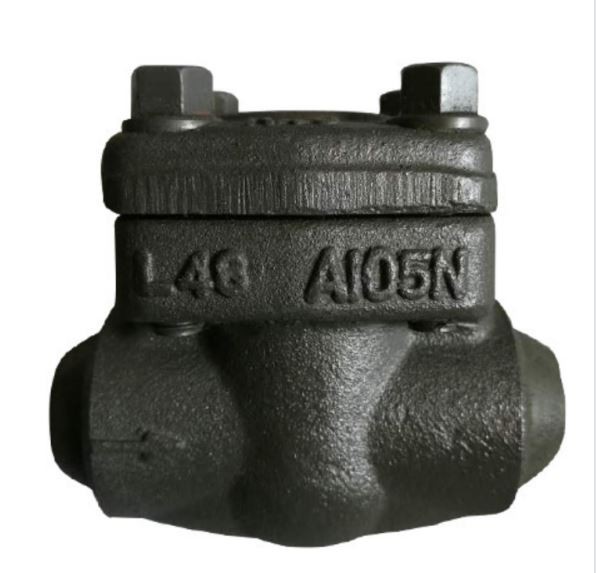
It's also worth comparing globe valves with other types of valves, like Gate Valve and Forged check Valve.

- Gate Valves: Gate valves are often used for on - off service, where a full - open or full - closed position is required. Globe valves, on the other hand, are better for throttling or regulating flow. But gate valves can sometimes be more prone to leakage when partially open, while globe valves offer better control in such situations.
- Forged Check Valves: Forged check valves are used to prevent backflow. Globe valves can also be used in some applications where backflow prevention is needed, but check valves are specifically designed for this purpose.
Emergency Preparedness
You've also got to be ready for emergencies when using globe valves.

- Shut - off Procedures: Have clear shut - off procedures in place. In case of a leak or other emergency, operators need to know how to quickly and safely shut off the valve.
- Spill Containment: Make sure you have spill containment measures in place. If a valve leaks, you don't want the fluid to spread everywhere. This could be as simple as having a drip tray or as complex as a full - scale spill containment system.
Conclusion
So, there you have it - the main safety considerations when using a Globe Valve. From installation to operation, maintenance, and emergency preparedness, every step is important to ensure the safe and efficient use of these valves.
If you're in the market for high - quality globe valves or have any questions about valve safety, don't hesitate to reach out. We're here to help you make the right choices for your specific needs. Whether you're working on a small - scale project or a large industrial system, we've got the expertise and the products to meet your requirements. Let's start a conversation and see how we can work together!
References
- ASME Boiler and Pressure Vessel Code
- API (American Petroleum Institute) standards related to valves
- Manufacturer's installation and operation manuals for globe valves