

When it comes to industrial equipment, gate valves play a crucial role in controlling the flow of various fluids. As a gate valve supplier, I often encounter customers who are interested in understanding the cost factors associated with these essential components. In this blog post, I'll delve into the different elements that contribute to the cost of a gate valve and provide insights to help you make informed purchasing decisions.
Understanding the Basics of Gate Valves
Before we dive into the cost analysis, let's briefly review what gate valves are and how they function. A gate valve is a type of valve that uses a gate or wedge to control the flow of fluid through a pipeline. When the gate is fully raised, it allows unobstructed flow, and when it is fully lowered, it shuts off the flow completely. Gate valves are commonly used in applications where a straight-line flow of fluid and minimum flow restriction are required.
There are different types of gate valves, including rising stem and non-rising stem designs, as well as various materials such as cast iron, carbon steel, stainless steel, and bronze. Each type and material has its own characteristics and applications, which can significantly impact the cost.
Factors Affecting the Cost of Gate Valves
1. Material
The material used to manufacture a gate valve is one of the primary factors influencing its cost. Different materials offer varying levels of durability, corrosion resistance, and performance, which are reflected in their price.
- Cast Iron: Cast iron gate valves are relatively inexpensive and are commonly used in low-pressure and non-corrosive applications. They are suitable for water supply systems, drainage, and some industrial processes where the fluid is not highly aggressive.
- Carbon Steel: Carbon steel gate valves are more durable and can withstand higher pressures and temperatures compared to cast iron valves. They are widely used in oil and gas, power generation, and chemical industries. The cost of carbon steel valves is higher than cast iron but still relatively affordable.
- Stainless Steel: Stainless steel gate valves offer excellent corrosion resistance, making them ideal for applications involving corrosive fluids such as acids, alkalis, and seawater. They are commonly used in the food and beverage, pharmaceutical, and marine industries. The higher cost of stainless steel is due to the raw material price and the additional processing required to achieve the desired corrosion resistance.
- Bronze: Bronze gate valves are known for their good corrosion resistance and are often used in plumbing and water treatment applications. They are also suitable for low-pressure steam systems. The cost of bronze valves is typically higher than cast iron but lower than stainless steel.
2. Size
The size of a gate valve is another important factor that affects its cost. Larger valves require more material and more complex manufacturing processes, which generally result in higher prices. Additionally, larger valves may require more powerful actuators to operate, adding to the overall cost.
Valve sizes are typically specified by their nominal diameter, which is a standard measurement used to indicate the size of the valve opening. As the nominal diameter increases, the cost of the valve also increases exponentially. For example, a 2-inch gate valve will generally cost less than a 6-inch gate valve of the same material and type.
3. Pressure Rating
The pressure rating of a gate valve refers to the maximum pressure that the valve can safely withstand without leaking or failing. Higher pressure ratings require stronger materials and more robust construction, which can increase the cost of the valve.
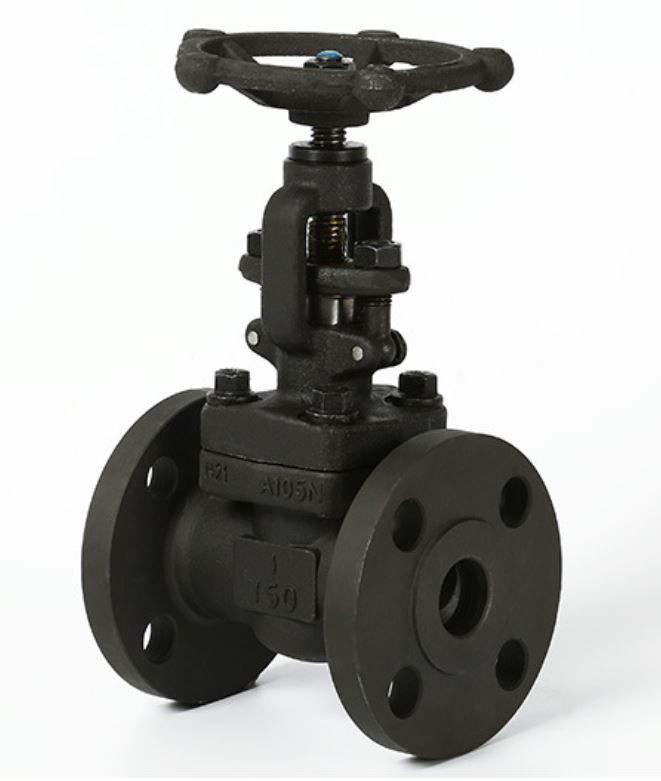
Valves with higher pressure ratings are typically used in applications where the fluid pressure is high, such as in oil and gas pipelines, power plants, and high-pressure industrial processes. When selecting a gate valve, it is important to choose a valve with a pressure rating that is appropriate for the specific application to ensure safe and reliable operation.
4. End Connection
The type of end connection used on a gate valve can also affect its cost. There are several common types of end connections, including flanged, threaded, and welded connections.

- Flanged Connections: Flanged gate valves are the most common type of valve used in industrial applications. They are easy to install and remove, and they provide a reliable seal. However, flanged connections require additional hardware such as bolts and gaskets, which can increase the cost.
- Threaded Connections: Threaded gate valves are typically used in small-diameter applications where the pressure is relatively low. They are easy to install and do not require additional hardware, but they may not be suitable for high-pressure applications.
- Welded Connections: Welded gate valves are used in applications where a permanent and leak-proof connection is required. They are commonly used in high-pressure and high-temperature applications, but they require specialized welding equipment and skills, which can increase the installation cost.
5. Design and Features
The design and features of a gate valve can also have an impact on its cost. Some gate valves may have additional features such as a blowout-proof stem, a fire-safe design, or an anti-static device, which can increase the cost of the valve.
In addition, the type of gate valve design, such as a rising stem or non-rising stem design, can also affect the cost. Rising stem gate valves are generally more expensive than non-rising stem valves because they require more complex construction and additional components.
Comparing the Cost of Gate Valves with Other Valve Types
When considering the cost of a gate valve, it is also important to compare it with other types of valves, such as globe valves and forged check valves. Each type of valve has its own advantages and disadvantages, and the choice of valve will depend on the specific application requirements.

- Globe Valve: Globe valves are commonly used in applications where precise flow control is required. They are more suitable for throttling applications than gate valves but have a higher pressure drop. The cost of globe valves can vary depending on the material, size, and pressure rating, but they are generally more expensive than gate valves of the same size and material. Globe Valve
- Forged Check Valve: Forged check valves are used to prevent backflow in pipelines. They are designed to open and close automatically in response to the flow direction of the fluid. The cost of forged check valves is also influenced by factors such as material, size, and pressure rating. In general, forged check valves are more expensive than gate valves due to their more complex design and the need for precise manufacturing. Forged check Valve
How to Get the Best Value for Your Money
As a gate valve supplier, I understand that customers are always looking for the best value for their money. Here are some tips to help you get the most cost-effective gate valve for your application:
- Understand Your Requirements: Before purchasing a gate valve, it is important to clearly understand your application requirements, including the fluid type, pressure, temperature, and flow rate. This will help you select the right valve material, size, and pressure rating, ensuring that the valve performs optimally and lasts longer.
- Compare Prices from Different Suppliers: Don't settle for the first gate valve supplier you find. Take the time to compare prices from multiple suppliers to ensure that you are getting a competitive price. However, be careful not to compromise on quality for the sake of a lower price.
- Consider the Total Cost of Ownership: When evaluating the cost of a gate valve, it is important to consider the total cost of ownership, which includes the purchase price, installation cost, maintenance cost, and operating cost. A valve with a higher purchase price may actually be more cost-effective in the long run if it requires less maintenance and has a longer service life.
- Look for Quality and Reliability: Quality and reliability are crucial when it comes to gate valves. Choose a supplier that has a good reputation for providing high-quality products and excellent customer service. Look for valves that are manufactured to industry standards and have been tested and certified for performance.
Conclusion
The cost of a gate valve is influenced by several factors, including material, size, pressure rating, end connection, and design features. As a gate valve supplier, I am committed to providing my customers with high-quality gate valves at competitive prices. By understanding the cost factors and following the tips outlined in this blog post, you can make an informed purchasing decision and get the best value for your money.
If you are interested in purchasing gate valves for your application, I encourage you to contact me to discuss your requirements. I will be happy to provide you with detailed product information, pricing, and technical support to help you find the right gate valve for your needs.
References
- Valve Handbook, by E. W. Miller
- Industrial Valves: A Practical Guide, by Cameron Engineers
- ASME B16.34 - Valves - Flanged, Threaded, and Welded End