

Hey there! I'm working for a check valve supplier, and I know firsthand how tough it can be to keep check valves in tip - top shape, especially in a harsh chemical environment. In this blog, I'll share some tips on how to maintain a check valve under such challenging conditions.
Understanding the Impact of Harsh Chemicals on Check Valves
First off, let's talk about what harsh chemicals can do to check valves. Chemicals like strong acids, alkalis, and corrosive solvents can eat away at the valve materials. For example, in a chemical plant where hydrochloric acid is used, the acid can corrode the metal parts of the check valve over time. This corrosion can lead to leaks, reduced valve performance, and even complete valve failure.
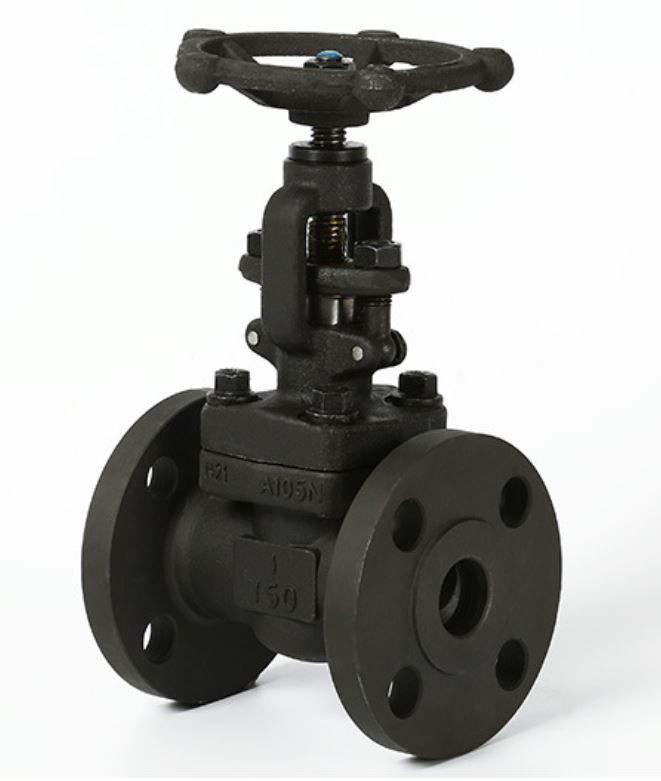
The seals of the check valve are also at risk. Harsh chemicals can cause the rubber or plastic seals to swell, shrink, or degrade. When this happens, the valve may not close properly, allowing backflow and potentially causing damage to the entire system.
Selecting the Right Check Valve for a Harsh Chemical Environment
Before we even get into maintenance, it's crucial to choose the right check valve for the job. As a check valve supplier, I can tell you that not all check valves are created equal when it comes to handling chemicals.
- Material Selection: Opt for valves made from corrosion - resistant materials. Stainless steel is a popular choice as it can withstand many corrosive chemicals. For more extreme environments, materials like Hastelloy or titanium may be necessary. These materials are more expensive but can offer better long - term performance.
- Valve Type: There are different types of check valves, such as swing check valves, lift check valves, and ball check valves. Each type has its own advantages and disadvantages in a chemical environment. For example, swing check valves are simple and reliable but may not be suitable for high - velocity or pulsating flow. Lift check valves are better for high - pressure applications. You can check out our Forged check Valve for some great options.
Regular Inspection
Once you've got the right valve in place, regular inspection is key. Here's what you should look out for:

- Visual Inspection: Check the valve body for signs of corrosion, such as rust or pitting. Look at the seals for any visible damage, like cracks or tears. Also, make sure the valve is properly aligned and there are no signs of physical damage, like dents or bends.
- Function Testing: Periodically test the valve's functionality. You can do this by flowing a small amount of non - hazardous fluid through the system and observing the valve's operation. Make sure it opens and closes smoothly and that there is no backflow.
Cleaning and Flushing
In a harsh chemical environment, residues can build up inside the check valve, affecting its performance. Cleaning and flushing the valve regularly can prevent this.
- Use the Right Cleaning Agents: Choose cleaning agents that are compatible with the valve materials and the chemicals in the system. For example, if you're dealing with acidic chemicals, a mild alkaline cleaner may be appropriate. However, be careful not to use a cleaner that could react with the valve materials or the remaining chemicals in the system.
- Flushing Procedure: Flush the valve with a suitable solvent or water to remove any loose debris. Make sure to follow the correct flushing procedure, including the flow rate and duration. This will help ensure that all the residues are removed from the valve.
Seal Maintenance
As I mentioned earlier, the seals are critical for the proper functioning of the check valve. Here's how to maintain them:
- Lubrication: Some seals may require lubrication to ensure smooth operation. Use a lubricant that is compatible with the seal material and the chemicals in the system. Avoid using lubricants that could react with the chemicals or cause the seal to degrade.
- Replacement: Over time, seals will wear out and need to be replaced. Keep a stock of spare seals and replace them at the first sign of damage or wear. This will prevent leaks and ensure the valve continues to function properly.
Monitoring and Record - Keeping
It's important to monitor the performance of the check valve over time. Keep a record of inspection results, cleaning schedules, and any maintenance activities. This will help you identify trends and predict when the valve may need more extensive maintenance or replacement.

For example, if you notice that the valve is starting to leak more frequently after a certain number of cleanings, it could be a sign that the valve is reaching the end of its lifespan. By keeping detailed records, you can make informed decisions about when to take action.
Complementary Valve Options
In some cases, you may need to use other types of valves in conjunction with the check valve to ensure the proper functioning of the system. For example, Globe Valve can be used to regulate the flow rate, and Gate Valve can be used to isolate the system for maintenance.
Conclusion
Maintaining a check valve in a harsh chemical environment is no easy task, but by following these tips, you can extend the life of your valve and ensure the reliable operation of your system. Remember, choosing the right valve, regular inspection, proper cleaning, seal maintenance, and monitoring are all crucial steps in the maintenance process.
If you're in the market for high - quality check valves or need more advice on valve maintenance, don't hesitate to reach out to us. We're here to help you find the best solutions for your specific needs. Whether you're dealing with a small - scale chemical project or a large industrial application, we've got the expertise and the products to support you. So, let's start a conversation and see how we can work together to keep your systems running smoothly.
References
- ASME B16.34 - Valves - Flanged, Threaded, and Welding End
- API 6D - Pipeline Valves - Specification for Pipeline Valves
- ASTM Standards related to valve materials (e.g., ASTM A182 for stainless steel forgings)