

Hey there! As a supplier of floating ball valves, I've had the chance to see these nifty devices in action across a wide range of industries. Floating ball valves are super versatile and play a crucial role in many different applications. So, let's dive into where these floating ball valves are commonly used.
Oil and Gas Industry
One of the biggest users of floating ball valves is the oil and gas industry. In this industry, valves need to handle high pressures and harsh environments. Floating ball valves are perfect for this. They're used in pipelines that transport crude oil, natural gas, and refined products.
For example, in upstream operations, like oil and gas extraction from wells, floating ball valves are used to control the flow of fluids. They can handle the high-pressure conditions deep underground and ensure that the flow of oil or gas is regulated properly. When the well is being drilled, these valves can be used to isolate different sections of the wellbore, which is really important for safety and operational efficiency.
In midstream operations, which involve the transportation and storage of oil and gas, floating ball valves are used in pipelines, storage tanks, and terminals. They help in starting, stopping, and regulating the flow of fluids as they move from the production sites to the refineries or end - users.

In downstream operations, such as in refineries, floating ball valves are used in various processes. They can be found in distillation columns, reactors, and other equipment. For instance, when separating different components of crude oil, these valves are used to control the flow of the different fractions. You can check out our [Floating Metal Seat Ball Valve](/ball - valve/floating - ball - valve/floating - metal - seat - ball - valve.html) for applications in the oil and gas industry, as it's designed to withstand the high - pressure and corrosive nature of the fluids.
Chemical Industry
The chemical industry also relies heavily on floating ball valves. Chemical processes often involve handling a wide variety of corrosive, toxic, and high - temperature substances. Floating ball valves are selected for their ability to provide a tight seal and resist corrosion.
In chemical manufacturing plants, these valves are used to control the flow of chemicals in pipelines, reactors, and storage vessels. For example, in the production of fertilizers, floating ball valves are used to regulate the flow of ammonia, phosphoric acid, and other chemicals. They ensure that the right amount of each chemical is added at the right time in the production process.
In the pharmaceutical chemical sector, where precision and purity are of utmost importance, floating ball valves are used to control the flow of raw materials and intermediate products. They help in maintaining a sterile and contamination - free environment. Our [Floating Soft Seat Ball Valve](/ball - valve/floating - ball - valve/floating - soft - seat - ball - valve.html) can be a great option for chemical applications where a tight seal is required for non - abrasive fluids.
Water and Wastewater Treatment
Water and wastewater treatment facilities are another common place to find floating ball valves. In water treatment plants, these valves are used to control the flow of water at different stages of the treatment process. For example, they're used to regulate the flow of raw water into the treatment plant, and then to control the flow of treated water into the distribution system.
In wastewater treatment, floating ball valves are used to manage the flow of sewage, sludge, and treated effluent. They can handle the abrasive nature of the sludge and the corrosive environment of the wastewater. These valves are also used in pumping stations to control the flow of water in and out of the pumps.

Power Generation
Power generation plants, whether they're coal - fired, gas - fired, nuclear, or hydroelectric, use floating ball valves. In coal - fired power plants, these valves are used to control the flow of coal - derived fuel, water, and steam. They play a crucial role in maintaining the efficiency of the power generation process.
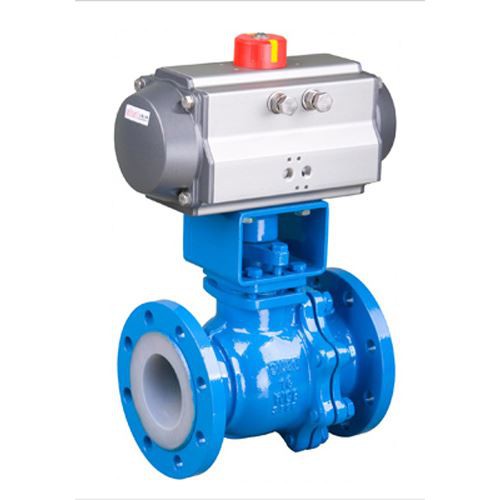
In gas - fired power plants, floating ball valves are used to regulate the flow of natural gas into the combustion chambers. They ensure that the right amount of gas is burned at the right time to generate electricity.
Nuclear power plants also rely on floating ball valves for various applications. They're used to control the flow of coolant, steam, and other fluids in the reactor systems. These valves need to meet strict safety standards, and our floating ball valves are designed to meet the high - quality requirements of the power generation industry.
Food and Beverage Industry
The food and beverage industry has strict hygiene and safety standards, and floating ball valves are well - suited for this industry. They're used in the processing, storage, and distribution of food and beverage products.
In breweries, for example, floating ball valves are used to control the flow of beer at different stages of the brewing process, from the mashing and fermentation stages to the packaging stage. They ensure that the beer is transferred smoothly and without contamination.
In dairy processing plants, these valves are used to control the flow of milk, cream, and other dairy products. They're made from materials that are safe for contact with food, and they can be easily cleaned and sanitized to meet the industry's hygiene requirements.
HVAC Systems
Heating, ventilation, and air - conditioning (HVAC) systems also use floating ball valves. In large commercial and industrial HVAC systems, these valves are used to control the flow of refrigerants, water, and air.
For example, in a chilled water system, floating ball valves are used to regulate the flow of chilled water to different parts of the building. They help in maintaining the desired temperature and humidity levels in the building. In air - handling units, these valves can be used to control the flow of air and ensure proper ventilation.
Marine Industry
The marine industry is another area where floating ball valves are commonly used. On ships, these valves are used in various systems, such as the fuel system, ballast system, and freshwater system.
In the fuel system, floating ball valves are used to control the flow of fuel from the storage tanks to the engines. They ensure that the engines receive the right amount of fuel at the right time. In the ballast system, which is used to stabilize the ship, these valves are used to control the flow of water in and out of the ballast tanks.
Conclusion
As you can see, floating ball valves are used in a wide range of industries, from the high - pressure and harsh environments of the oil and gas industry to the strict hygiene requirements of the food and beverage industry. Their versatility, reliability, and ability to provide a tight seal make them a popular choice for many different applications.
If you're in need of high - quality floating ball valves for your industry, don't hesitate to get in touch. We have a wide range of products, including the [Floating Metal Seat Ball Valve](/ball - valve/floating - ball - valve/floating - metal - seat - ball - valve.html) and [Floating Soft Seat Ball Valve](/ball - valve/floating - ball - valve/floating - soft - seat - ball - valve.html), to meet your specific needs. Let's start a conversation and find the perfect solution for your valve requirements.
References
- "Valve Handbook" by Valve Manufacturers Association
- Industry reports from oil and gas, chemical, and other relevant sectors.