

Hey there! As a supplier of cryogenic valves, I often get asked about the flow coefficient of these specialized valves. So, let's dive right in and break down what the flow coefficient of cryogenic valves is all about.
First off, what are cryogenic valves? Well, they're designed to work in extremely low - temperature environments, typically those below -150°C. These valves are used in a bunch of industries, like liquefied natural gas (LNG) production, air separation plants, and research facilities dealing with cryogenic substances.
Now, the flow coefficient, often denoted as Cv, is a super important parameter when it comes to valves. It's a measure of a valve's ability to pass fluid. In simple terms, it tells you how much fluid can flow through the valve under a specific set of conditions.
The Cv value is defined as the number of US gallons of water per minute that will flow through a valve with a pressure drop of 1 psi across the valve at 60°F (15.6°C). For example, if a valve has a Cv of 10, it means that 10 US gallons of water per minute will flow through the valve when there's a 1 - psi pressure drop.
Why is the flow coefficient so crucial for cryogenic valves? In cryogenic applications, precise control of fluid flow is essential. Whether it's controlling the flow of liquid nitrogen, oxygen, or LNG, getting the right amount of fluid to the right place at the right time is key. The Cv value helps engineers and operators select the appropriate valve for their specific application.
Let's say you're working on an LNG storage and transfer system. You need to ensure that the cryogenic valve you choose can handle the required flow rate of LNG without causing excessive pressure drops. By knowing the Cv value of different valves, you can compare and select the one that meets your flow requirements.
There are a few factors that can affect the flow coefficient of cryogenic valves. One of the main factors is the valve size. Generally, larger valves have higher Cv values because they have a larger flow area. For instance, a 6 - inch cryogenic valve will typically have a higher Cv than a 2 - inch one.
The valve type also plays a big role. Different types of cryogenic valves, such as Cryogenic Butterfly Valve and Cryogenic Ball Valve, have different flow characteristics. Butterfly valves are known for their relatively high flow coefficients and are often used in applications where large flow rates are required. Ball valves, on the other hand, offer excellent shut - off capabilities and can also have good flow coefficients, especially in larger sizes.
The valve's internal design, including the shape of the flow path and the presence of any obstructions, can impact the Cv value. A valve with a smooth, streamlined flow path will generally have a higher Cv than one with a more complex or restricted design.
Another factor is the fluid properties. Cryogenic fluids have unique properties compared to normal - temperature fluids. Their viscosity, density, and compressibility can vary significantly depending on the temperature and pressure. These properties can affect the flow behavior through the valve and, consequently, the flow coefficient. For example, a more viscous cryogenic fluid may result in a lower effective Cv compared to a less viscous one.
Calculating the flow coefficient can be a bit tricky, especially in cryogenic applications. There are some standard formulas and methods available, but they often need to be adjusted to account for the specific conditions of the cryogenic fluid and the valve. Many valve manufacturers, including us as a cryogenic valve supplier, provide Cv data for their valves based on testing under specific conditions.
When you're selecting a cryogenic valve based on the flow coefficient, it's important to consider the actual operating conditions. This includes the temperature, pressure, and flow rate of the cryogenic fluid. You also need to think about any future expansion or changes in the system that may affect the flow requirements.
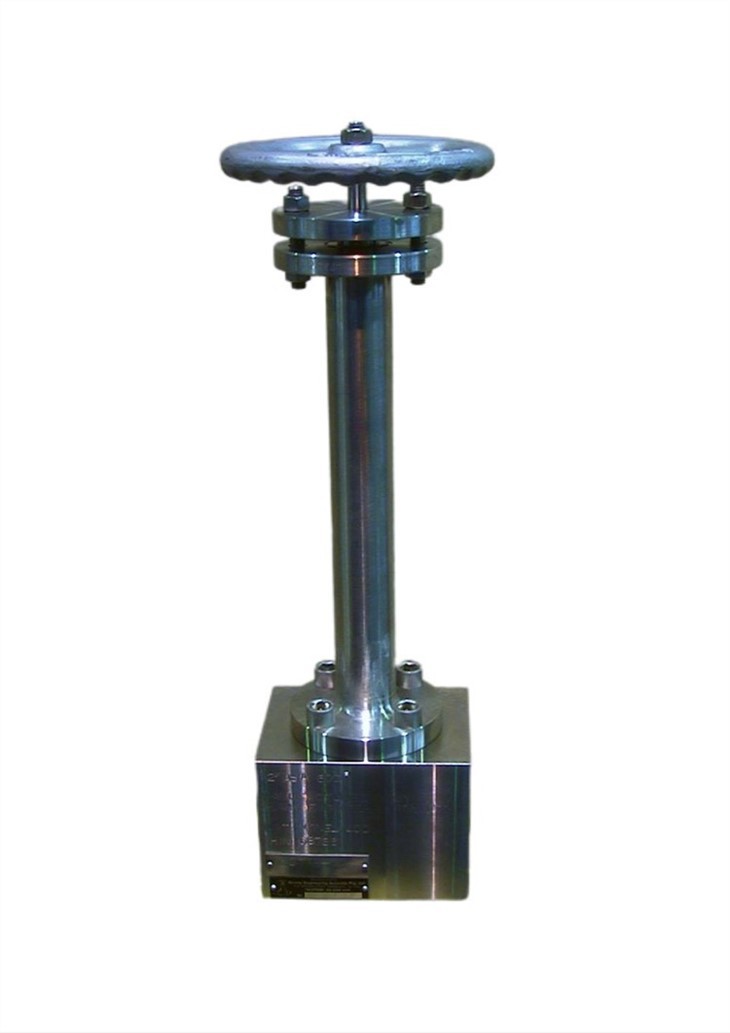
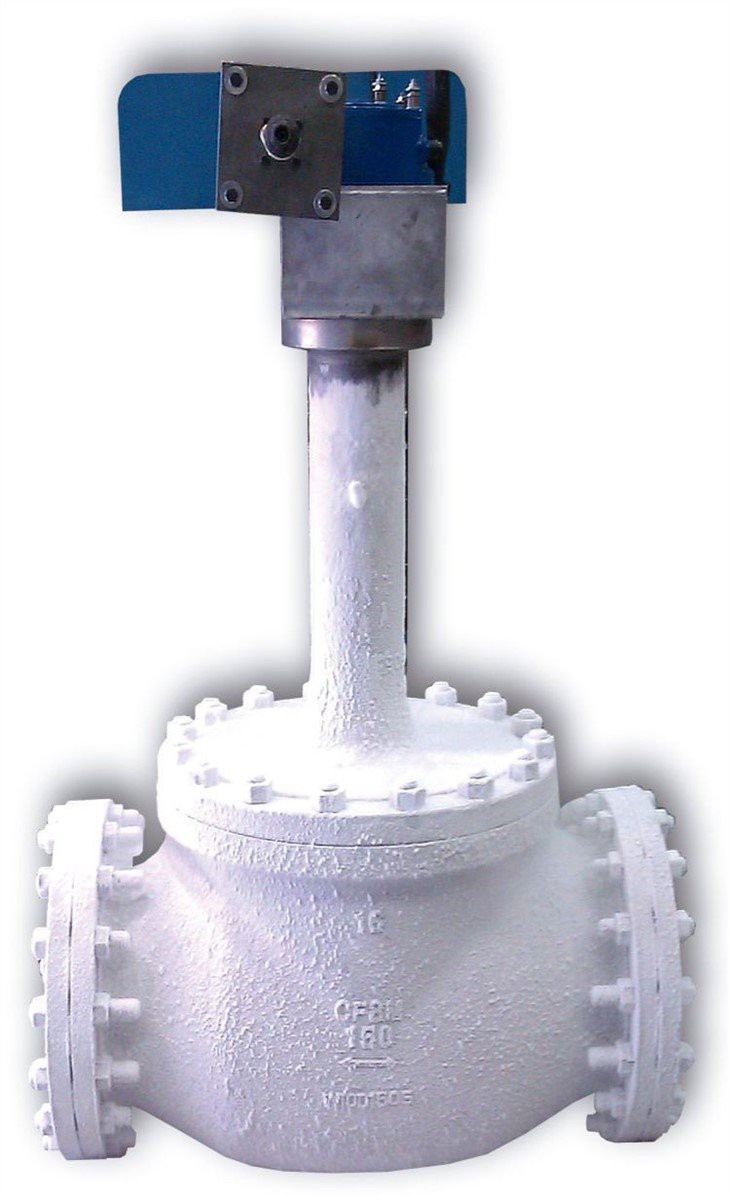
Let's take a look at a real - world example. Suppose you're building a new air separation plant. You need to install cryogenic valves to control the flow of liquid oxygen and nitrogen. You start by determining the required flow rates based on the plant's production capacity. Then, you look at the Cv values of different valves to find the ones that can handle those flow rates. You also consider the pressure drops across the valves to ensure efficient operation of the plant.
As a cryogenic valve supplier, we understand the importance of providing accurate Cv data for our customers. We conduct extensive testing on our valves to determine their flow coefficients under various cryogenic conditions. This helps our customers make informed decisions when selecting the right valve for their applications.
In addition to the technical aspects, we also offer support and guidance to our customers. If you're not sure which valve is the best fit for your cryogenic application based on the flow coefficient, our team of experts can help you analyze your requirements and recommend the most suitable valve.
If you're in the market for cryogenic valves and need to understand more about the flow coefficient or other valve - related parameters, don't hesitate to reach out to us. We're here to assist you in finding the perfect valve solution for your cryogenic needs. Whether you're a small research facility or a large industrial plant, we have the expertise and the product range to meet your requirements.
In conclusion, the flow coefficient of cryogenic valves is a vital parameter that determines a valve's ability to handle fluid flow in cryogenic applications. By understanding how it works and what factors affect it, you can make better decisions when selecting cryogenic valves. And as a reliable cryogenic valve supplier, we're committed to providing high - quality valves with accurate flow coefficient data and excellent customer support. So, if you're looking for cryogenic valves, get in touch with us for a detailed discussion about your requirements and how we can help.
References
- "Handbook of Cryogenic Engineering"
- Industry standards and guidelines related to cryogenic valves and fluid flow