

Hey there! As a supplier of Oxygen Check Valves, I've seen firsthand how different environmental factors can affect these crucial components. One factor that often gets overlooked but can have a significant impact is humidity. In this blog, I'll dive into what humidity is, how it can mess with an oxygen check valve, and what you can do about it.
First off, let's talk about what humidity actually is. Humidity is basically the amount of water vapor in the air. It can vary depending on where you are, the time of day, and the season. High humidity means there's a lot of water vapor floating around, while low humidity means there's not much. You've probably noticed the difference on a humid summer day compared to a dry winter day. On a humid day, the air feels sticky and heavy, while on a dry day, it feels crisp and fresh.
Now, let's get into how humidity can impact an oxygen check valve. Oxygen check valves are designed to allow oxygen to flow in one direction and prevent backflow. They're used in a variety of industries, including healthcare, aerospace, and manufacturing. These valves are typically made of materials like stainless steel, brass, or plastic, and they rely on precise seals and moving parts to function properly.
One of the main ways humidity can affect an oxygen check valve is by causing corrosion. When water vapor in the air comes into contact with metal components of the valve, it can start a chemical reaction that leads to rust and corrosion. Corrosion can weaken the valve's structure, damage the seals, and even cause the valve to malfunction. Over time, this can lead to leaks, reduced performance, and even safety hazards.
Another issue with high humidity is that it can promote the growth of mold and bacteria. These microorganisms can thrive in moist environments, and if they find their way into the oxygen check valve, they can contaminate the oxygen supply. This is especially dangerous in healthcare settings, where clean and pure oxygen is essential for patient safety. Mold and bacteria can also cause blockages in the valve, which can restrict the flow of oxygen and lead to further problems.
In addition to corrosion and microbial growth, humidity can also affect the lubrication of the valve's moving parts. Most oxygen check valves have some form of lubrication to ensure smooth operation. However, high humidity can cause the lubricant to break down or wash away, leaving the parts dry and prone to friction. This can increase wear and tear on the valve, reduce its lifespan, and lead to operational issues.
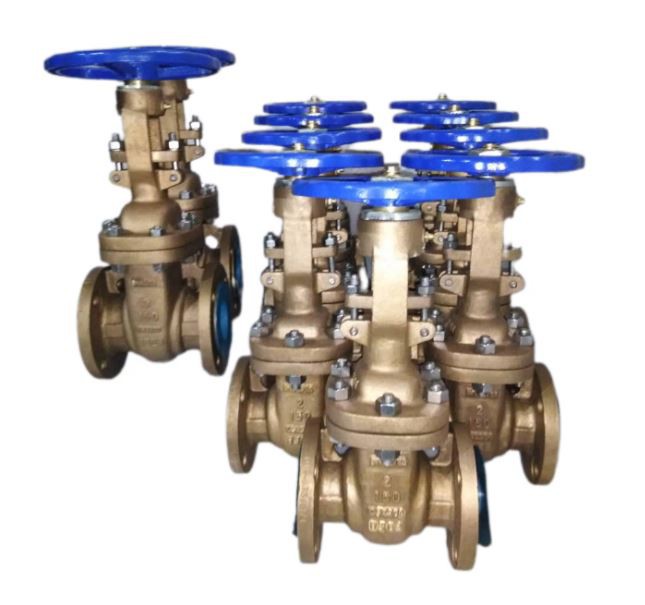

So, what can you do to protect your oxygen check valves from the effects of humidity? Well, the first step is to store the valves in a dry environment. If possible, keep them in a climate-controlled storage area where the humidity levels can be monitored and controlled. You can also use desiccants, which are substances that absorb moisture, to help keep the air around the valves dry.
When installing the oxygen check valves, make sure they're properly sealed and protected from the elements. Use gaskets and seals that are designed to withstand high humidity and prevent water from entering the valve. Regular maintenance is also crucial. Inspect the valves regularly for signs of corrosion, mold, or damage, and replace any worn or damaged parts as needed.
It's also a good idea to choose oxygen check valves that are specifically designed to resist the effects of humidity. Some manufacturers offer valves with special coatings or materials that are more resistant to corrosion and microbial growth. For example, you can check out the Oxygen Globle Valve, Oxygen Check Valve, and Oxygen Gate Valve on our website. These valves are made with high-quality materials and advanced manufacturing techniques to ensure optimal performance in various environmental conditions.
In conclusion, humidity can have a significant impact on the performance and lifespan of an oxygen check valve. By understanding the potential problems and taking proactive measures to protect your valves, you can ensure that they operate safely and efficiently. Whether you're in the healthcare industry, aerospace, or manufacturing, having reliable oxygen check valves is essential for your operations.
If you're in the market for high-quality oxygen check valves or have any questions about how to protect them from humidity, don't hesitate to reach out. We're here to help you find the right solutions for your needs. Let's work together to ensure the safety and reliability of your oxygen systems.
References
- Smith, J. (2020). "The Effects of Environmental Factors on Valve Performance." Journal of Valve Technology, 15(2), 45-52.
- Johnson, A. (2019). "Corrosion Prevention in Oxygen Valves." Industrial Valve Magazine, 22(3), 67-74.
- Brown, C. (2018). "Microbial Contamination in Oxygen Systems." Healthcare Equipment Journal, 30(4), 92-98.