

Hey there! I'm a supplier of Gate Valves, and today I wanna chat about the impact of vibration on a gate valve. Vibration is something that can happen in lots of industrial settings, and it can have some pretty significant effects on gate valves.
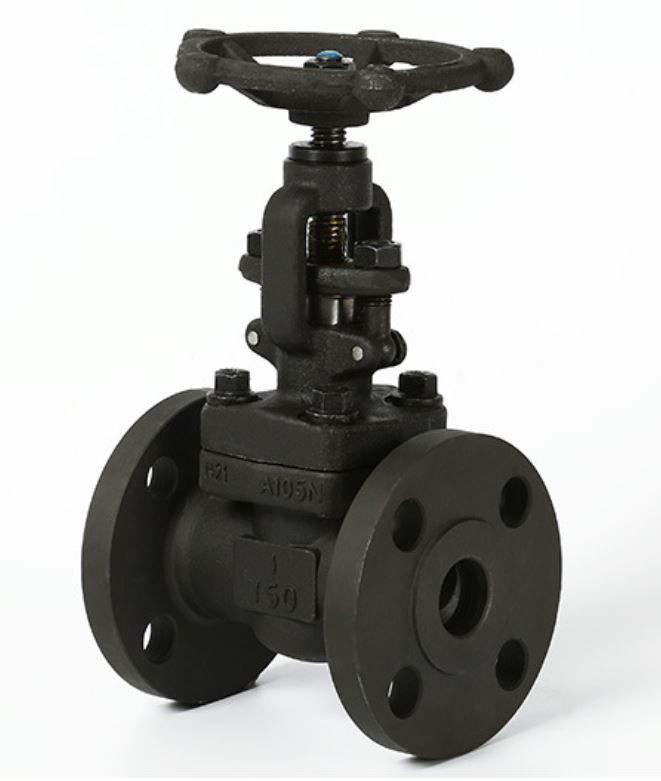
First off, let's understand what a gate valve is. A gate valve is a type of valve that uses a gate or wedge to control the flow of fluid through a pipeline. It's commonly used in various industries like oil and gas, water treatment, and power generation. You can check out more about gate valves here: Gate Valve.
Now, when it comes to vibration, it can come from different sources. In industrial environments, pumps, compressors, or even the flow of fluid itself can cause vibration. And this vibration can have both short - term and long - term impacts on gate valves.
Short - Term Impacts
In the short term, vibration can cause the gate of the valve to move around more than it should. This can lead to a phenomenon called "chatter." Chatter is when the gate vibrates against the valve seat. It sounds like a rattling noise, and it's not a good sign. When chatter occurs, it can cause the sealing surfaces of the gate and the seat to wear out quickly. The constant knocking and rubbing can damage the smooth finish that's essential for a tight seal.
Another short - term impact is on the valve's operation. Vibration can make it harder to open and close the gate valve. The forces exerted by the vibration can oppose the movement of the gate, making the valve stick or require more force to operate. This can be a real pain for operators, especially in situations where quick valve operation is necessary.

Long - Term Impacts
Over the long term, the wear and tear caused by vibration can lead to more serious problems. The damaged sealing surfaces can result in leaks. A leaking gate valve is a big no - no in many industries. In the oil and gas industry, for example, a leak can lead to the loss of valuable resources and pose a safety hazard. In a water treatment plant, a leak can contaminate the water supply or waste a large amount of water.
Vibration can also affect the structural integrity of the valve. The constant shaking can cause cracks to form in the valve body or the stem. Once a crack appears, it can grow over time, eventually leading to a complete failure of the valve. This kind of failure can be very costly, as it may require shutting down the entire system for repairs.
Now, let's compare gate valves with other types of valves in terms of their susceptibility to vibration. Take the Globe Valve for example. Globe valves are designed differently. They have a disc that moves perpendicular to the flow, and they tend to be more resistant to vibration - induced chatter. The design of the globe valve allows it to better absorb the forces of vibration without as much damage to the sealing surfaces.
On the other hand, Forged check Valve is mainly used to prevent backflow. While it can also be affected by vibration, its function is different from a gate valve. Check valves are more concerned with allowing flow in one direction and preventing it in the other, so the impact of vibration on their sealing and operation is different from that on gate valves.
Preventing Vibration - Related Issues
As a gate valve supplier, I know how important it is to prevent these vibration - related problems. One way is to install vibration - dampening devices. These can be things like rubber gaskets or shock absorbers. Rubber gaskets can absorb some of the vibration energy, reducing the amount of force that reaches the valve components. Shock absorbers can be attached to the valve or the pipeline to help stabilize the system.
Proper installation is also crucial. The valve should be installed in a way that minimizes the transfer of vibration from the surrounding equipment. This may involve using flexible connectors between the valve and the pipeline or ensuring that the valve is properly aligned.
Regular maintenance is another key factor. Inspecting the valve for signs of wear, chatter, or damage on a regular basis can help catch problems early. If any issues are detected, they can be addressed before they become major disasters.
Conclusion
In conclusion, vibration can have a significant impact on gate valves. From short - term problems like chatter and difficult operation to long - term issues such as leaks and structural failure, it's something that needs to be taken seriously. As a gate valve supplier, I'm always here to help customers choose the right valves and provide solutions to deal with vibration - related problems.
If you're in the market for gate valves or have any questions about how to deal with vibration in your valve systems, don't hesitate to reach out. We can have a chat about your specific needs and find the best solutions for you. Whether you're in the oil and gas industry, water treatment, or any other field that uses gate valves, we've got the expertise to help you make the right choices.
References
- "Valve Handbook" by J. S. Walas
- "Industrial Valve Technology" by various industry experts