

As a supplier of Oxygen Global Valves, one of the most common questions I receive from clients is about the maximum oxygen purity that these valves can handle. In this blog post, I'll delve into this topic, exploring the technical aspects, factors affecting the valve's performance with high - purity oxygen, and provide a comprehensive understanding of the capabilities of Oxygen Global Valves.
Understanding Oxygen Purity
Oxygen purity is a crucial factor in many industrial and medical applications. It is typically expressed as a percentage, indicating the proportion of oxygen in a gas mixture. For example, medical - grade oxygen usually has a purity of at least 99.5%, while industrial applications may require varying levels of purity depending on the specific process. High - purity oxygen is used in applications such as metal cutting, welding, and in the production of semiconductors, where even small impurities can have a significant impact on the quality of the end - product.
How Oxygen Global Valves Work
Oxygen Global Valves are designed to control the flow of oxygen in a system. They are engineered with precision to ensure safe and efficient operation, even in high - pressure and high - purity oxygen environments. These valves are available in different types, including [Oxygen Ball Valve](/oxygen - valve/oxygen - ball - valve.html) and [Oxygen Butterfly Valve](/oxygen - valve/oxygen - butterfly - valve.html), each with its own unique features and advantages.
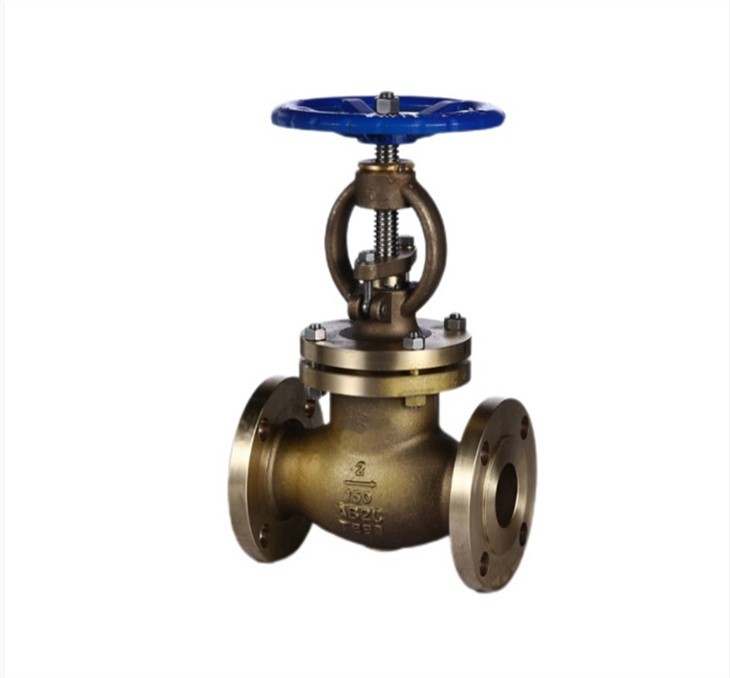
The [Oxygen Global Valve](/oxygen - valve/oxygen - globle - valve.html) operates by regulating the passage of oxygen through a valve body. When the valve is opened, oxygen can flow through the valve, and when it is closed, the flow is stopped. The valve's internal components, such as the stem, seat, and disc, are carefully designed to withstand the corrosive and reactive nature of oxygen, especially at high purities.
Maximum Oxygen Purity for Oxygen Global Valves
The maximum oxygen purity that an Oxygen Global Valve can handle is typically up to 100%. These valves are constructed using materials that are compatible with high - purity oxygen. For instance, the valve bodies are often made of stainless steel, which is resistant to oxidation and corrosion caused by oxygen. The seals and gaskets are made from materials such as PTFE (polytetrafluoroethylene), which has excellent chemical resistance and can withstand the high - energy environment of pure oxygen.
However, it's important to note that while the valve can physically handle 100% oxygen purity, there are other factors that need to be considered to ensure safe operation. One of the main concerns is the potential for ignition. Oxygen is a powerful oxidizer, and in the presence of a source of ignition, it can cause a violent reaction. Therefore, when using Oxygen Global Valves with high - purity oxygen, it is essential to follow strict safety protocols.
Factors Affecting Valve Performance with High - Purity Oxygen
- Material Compatibility: As mentioned earlier, the materials used in the construction of the valve must be compatible with high - purity oxygen. Any material that can react with oxygen, such as certain types of lubricants or contaminants, can pose a risk. For example, hydrocarbon - based lubricants can ignite in the presence of high - purity oxygen, so special oxygen - compatible lubricants must be used.
- Pressure and Flow Rate: The pressure and flow rate of the oxygen passing through the valve also play a significant role. High - pressure oxygen can increase the risk of ignition, especially if there are any sharp edges or rough surfaces inside the valve that can cause a spark. Therefore, the valve must be properly sized and rated for the specific pressure and flow rate requirements of the system.
- Contamination: Even small amounts of contamination can have a big impact on the performance of the valve in a high - purity oxygen environment. Dust, dirt, or other particles can act as a source of ignition or cause wear and tear on the valve components. Therefore, it is crucial to keep the valve and the entire oxygen system clean and free from contaminants.
Testing and Certification
To ensure that Oxygen Global Valves can handle high - purity oxygen safely, they undergo rigorous testing and certification processes. These tests typically include oxygen compatibility testing, pressure testing, and flow testing. The valves are also certified to meet international standards such as ISO (International Organization for Standardization) and ASME (American Society of Mechanical Engineers).

For example, the valves are tested to ensure that they can withstand the high - energy environment of high - purity oxygen without any signs of degradation or ignition. The certification provides assurance to customers that the valves are safe and reliable for use in their oxygen systems.
Applications of Oxygen Global Valves with High - Purity Oxygen
- Medical Industry: In the medical field, high - purity oxygen is used for respiratory therapy and anesthesia. Oxygen Global Valves are used to control the flow of oxygen to patients, ensuring a safe and accurate delivery of the gas.
- Metal Fabrication: In metal cutting and welding processes, high - purity oxygen is used to support combustion and improve the cutting efficiency. Oxygen Global Valves are used to regulate the flow of oxygen to the torch, ensuring a consistent and precise flame.
- Semiconductor Manufacturing: In the semiconductor industry, high - purity oxygen is used in the production of silicon wafers. Oxygen Global Valves are used to control the flow of oxygen in the deposition and etching processes, ensuring the quality and precision of the semiconductor devices.
Conclusion
In conclusion, Oxygen Global Valves are designed to handle oxygen with a purity of up to 100%. However, safe operation in a high - purity oxygen environment requires careful consideration of factors such as material compatibility, pressure, flow rate, and contamination. By following strict safety protocols and using properly tested and certified valves, customers can ensure the reliable and safe operation of their oxygen systems.
If you are in the market for Oxygen Global Valves or have any questions about their performance with high - purity oxygen, I encourage you to reach out. Our team of experts is ready to assist you in selecting the right valve for your specific application and provide you with all the necessary information to ensure a successful installation and operation.
References
- "Oxygen Systems Handbook" - A comprehensive guide on oxygen systems and safety.
- ISO Standards for Oxygen Valves - International standards for the design and performance of oxygen valves.
- ASME Codes for Pressure Vessels and Valves - American Society of Mechanical Engineers codes related to pressure vessels and valves used in oxygen systems.