

As a supplier of cryogenic valves, I often encounter customers who are curious about the materials used in these specialized valves. Cryogenic valves are designed to operate in extremely low-temperature environments, typically ranging from -50°C to -273°C, and the choice of materials is crucial to ensure their reliable performance under such harsh conditions. In this blog post, I will delve into the various materials commonly used to make cryogenic valves and explain their properties and advantages.
Stainless Steel
Stainless steel is one of the most widely used materials for cryogenic valves due to its excellent corrosion resistance, mechanical strength, and low-temperature performance. Austenitic stainless steels, such as 304 and 316, are particularly popular because they retain their ductility and toughness at cryogenic temperatures. These steels have a face-centered cubic (FCC) crystal structure, which is stable at low temperatures and prevents the formation of brittle martensite.
The corrosion resistance of stainless steel is essential in cryogenic applications, as the valves are often exposed to cryogenic fluids such as liquid nitrogen, liquid oxygen, and liquefied natural gas (LNG), which can be highly corrosive. Additionally, stainless steel has good weldability, which allows for the fabrication of complex valve designs.
However, stainless steel does have some limitations in cryogenic applications. At extremely low temperatures, its thermal conductivity decreases, which can lead to thermal stress and potential cracking. To mitigate this issue, some manufacturers use special grades of stainless steel with improved thermal conductivity or incorporate thermal insulation materials into the valve design.
Nickel Alloys
Nickel alloys are another important class of materials used in cryogenic valves. Alloys such as Inconel 625 and Monel 400 are known for their high strength, excellent corrosion resistance, and good ductility at cryogenic temperatures. These alloys contain a high percentage of nickel, which provides them with unique properties that make them suitable for use in cryogenic environments.
Inconel 625, for example, has a high nickel content (approximately 60%) and is alloyed with chromium, molybdenum, and niobium. This combination of elements gives Inconel 625 excellent resistance to corrosion, oxidation, and high-temperature strength. It also has good ductility and toughness at cryogenic temperatures, making it an ideal material for cryogenic valve components such as valve bodies, stems, and discs.
Monel 400, on the other hand, is a nickel-copper alloy that is known for its excellent resistance to corrosion in a wide range of environments, including seawater, hydrofluoric acid, and caustic solutions. It also has good mechanical properties at cryogenic temperatures, making it suitable for use in cryogenic valves that are exposed to corrosive fluids.
Aluminum Alloys
Aluminum alloys are lightweight and have good thermal conductivity, making them suitable for use in cryogenic valves where weight reduction and efficient heat transfer are important considerations. Alloys such as 6061 and 7075 are commonly used in cryogenic valve applications due to their high strength-to-weight ratio and good corrosion resistance.
The low density of aluminum alloys makes them ideal for use in aerospace and transportation applications, where weight reduction is critical. Additionally, their good thermal conductivity allows for efficient heat transfer, which can help to prevent the formation of ice and frost on the valve surfaces.
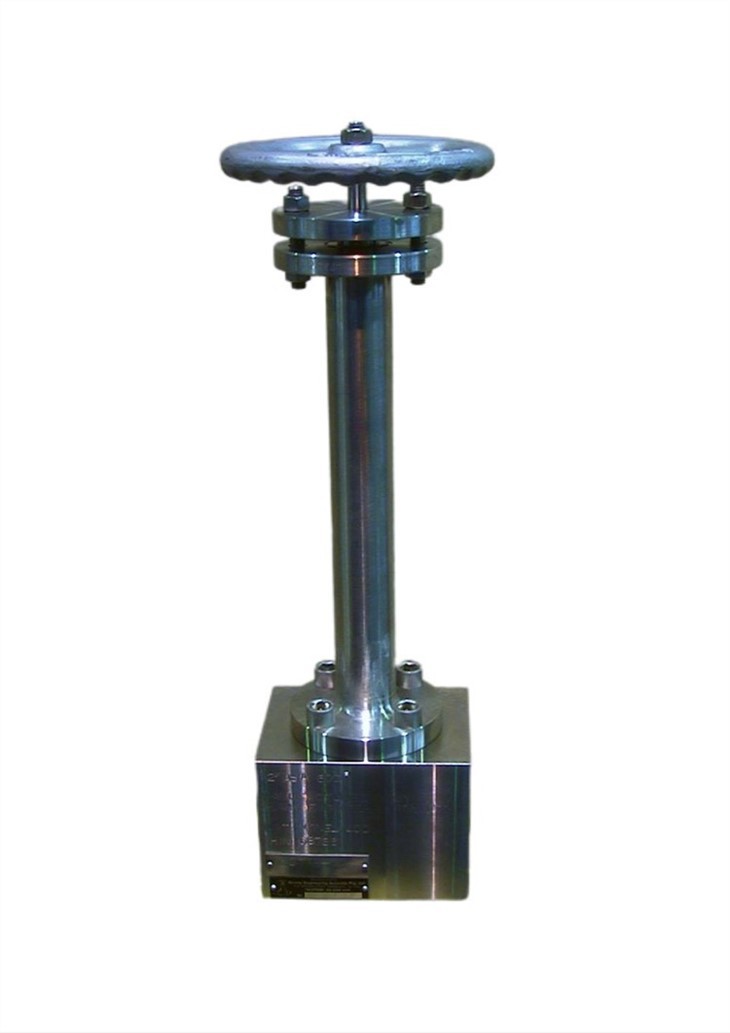

However, aluminum alloys have some limitations in cryogenic applications. They have a relatively low melting point, which can limit their use in high-temperature applications. Additionally, they are more prone to galvanic corrosion when in contact with other metals, so proper insulation and corrosion protection measures must be taken.
Brass and Bronze
Brass and bronze are copper-based alloys that are commonly used in cryogenic valves due to their good machinability, corrosion resistance, and low cost. Brass is an alloy of copper and zinc, while bronze is an alloy of copper and tin. These alloys have a long history of use in valve manufacturing and are known for their reliability and durability.
Brass is often used in cryogenic valve components such as valve seats and bushings due to its good machinability and corrosion resistance. It has a relatively low melting point, which makes it easy to cast and machine into complex shapes. Bronze, on the other hand, is known for its high strength and wear resistance, making it suitable for use in valve components that are subject to high stress and friction.
Polymers
Polymers are also used in cryogenic valves, particularly in sealing applications. Materials such as polytetrafluoroethylene (PTFE) and perfluoroelastomer (FFKM) are commonly used as valve seals due to their excellent chemical resistance, low friction coefficient, and good sealing performance at cryogenic temperatures.
PTFE is a synthetic fluoropolymer that is known for its non-stick properties and high chemical resistance. It has a low coefficient of friction, which makes it ideal for use in valve seals where low friction is required to ensure smooth operation. FFKM, on the other hand, is a high-performance elastomer that is resistant to a wide range of chemicals and has excellent sealing properties at high temperatures and pressures.
Ceramics
Ceramics are another class of materials that are used in cryogenic valves, particularly in applications where high wear resistance and corrosion resistance are required. Materials such as alumina and zirconia are commonly used in valve components such as valve seats and discs due to their high hardness, excellent wear resistance, and good chemical stability.
Ceramics have a high melting point and are resistant to corrosion and oxidation, making them suitable for use in harsh environments. They also have a low coefficient of thermal expansion, which helps to prevent thermal stress and cracking at cryogenic temperatures.
Conclusion
In conclusion, the choice of materials for cryogenic valves depends on a variety of factors, including the operating temperature, pressure, fluid type, and application requirements. Stainless steel, nickel alloys, aluminum alloys, brass and bronze, polymers, and ceramics are all commonly used materials in cryogenic valve manufacturing, each with its own unique properties and advantages.
As a supplier of cryogenic valves, we understand the importance of using high-quality materials to ensure the reliable performance of our valves in cryogenic environments. We offer a wide range of cryogenic valves, including Cryogenic Butterfly Valve and Cryogenic Ball Valve, which are made from the best materials and are designed to meet the most demanding cryogenic applications.
If you are in the market for cryogenic valves or have any questions about the materials used in our valves, please do not hesitate to contact us. Our team of experts is always available to provide you with the information and support you need to make the right choice for your application.
References
- ASME B31.3 Process Piping Code
- ASTM Standards for Metals and Alloys
- ISO Standards for Valve Design and Performance