

Hey there! I'm a supplier of brass valves, and today I want to chat about the standards that brass valves need to meet for drinking water use. It's super important stuff, especially considering that the water we drink has to be safe and clean. So, let's dive right in!
Why Brass Valves for Drinking Water?
First off, brass is a popular choice for drinking water valves for several reasons. It's durable, resistant to corrosion, and has good mechanical properties. These features make it suitable for handling the constant flow of water in plumbing systems. Plus, brass can be easily machined into different valve shapes and sizes, which is great for various applications.
Key Standards for Drinking Water Brass Valves
1. Material Composition
The composition of the brass used in drinking water valves is crucial. The brass should have a low lead content. Lead is a toxic metal that can leach into the water over time, posing serious health risks, especially to children and pregnant women. In many countries, there are strict regulations regarding the maximum allowable lead content in brass valves for drinking water.
For example, in the United States, the Safe Drinking Water Act (SDWA) requires that brass valves used in drinking water systems must have a weighted average lead content of no more than 0.25%. This ensures that the risk of lead contamination in the water supply is minimized.
2. Hygiene and Microbiological Safety
Brass valves need to be resistant to the growth of bacteria and other microorganisms. This is essential to maintain the quality of the drinking water. Valves should be designed and manufactured in a way that prevents the accumulation of dirt, debris, and biofilms.
Some brass valves are treated with special coatings or finishes to enhance their antimicrobial properties. These coatings can help inhibit the growth of harmful bacteria, such as E. coli and Legionella, which can cause serious health problems if present in the drinking water.
3. Pressure and Temperature Ratings
Drinking water systems operate under specific pressure and temperature conditions. Brass valves must be able to withstand these conditions without leaking or failing. The pressure rating of a valve indicates the maximum pressure it can handle safely, while the temperature rating shows the range of temperatures at which the valve can function properly.
For example, in a typical residential plumbing system, the water pressure may range from 30 to 80 psi (pounds per square inch), and the temperature may vary from cold water temperatures to around 140°F (60°C). Brass valves used in such systems should have appropriate pressure and temperature ratings to ensure reliable performance.
4. Leakage and Sealing Performance
A leaky valve can waste water and cause damage to the plumbing system. Therefore, brass valves for drinking water use must have excellent sealing performance. They should be able to prevent leaks under normal operating conditions and even under pressure fluctuations.
Valve manufacturers use various sealing materials, such as rubber gaskets and O-rings, to ensure a tight seal. These materials should be compatible with the brass and the drinking water, and they should be able to withstand the effects of water, chemicals, and temperature changes over time.
5. Flow Characteristics
The flow characteristics of a brass valve are also important. A valve should be able to control the flow of water smoothly and efficiently. It should have a low pressure drop, which means that it doesn't restrict the flow of water too much.

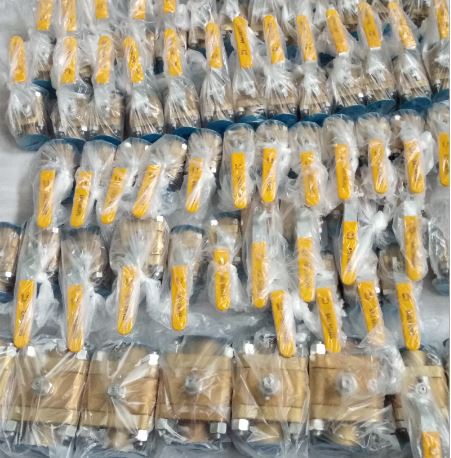
Valve design features, such as the shape of the valve opening and the internal passageways, can affect the flow characteristics. A well-designed valve will allow for a consistent and uniform flow of water, which is important for maintaining the performance of the plumbing system.
Special Material Valves for Drinking Water
In addition to traditional brass valves, there are also special material valves that can be used for drinking water applications. These include Cupronickel Valve, Tin Bronze Valve, and Nickel Aluminum Bronze Valve.
- Cupronickel Valves: Cupronickel is an alloy of copper and nickel. It has excellent corrosion resistance, especially in seawater and brackish water environments. Cupronickel valves are often used in desalination plants and marine applications, but they can also be used in drinking water systems where high corrosion resistance is required.
- Tin Bronze Valves: Tin bronze is an alloy of copper, tin, and sometimes other elements. It has good mechanical properties and is resistant to wear and corrosion. Tin bronze valves are commonly used in industrial and municipal water systems, as well as in some residential applications.
- Nickel Aluminum Bronze Valves: Nickel aluminum bronze is a high-strength alloy that contains copper, nickel, aluminum, and other elements. It has excellent corrosion resistance, high strength, and good wear resistance. Nickel aluminum bronze valves are often used in demanding applications, such as in power plants and chemical processing facilities, but they can also be used in drinking water systems where high performance is required.
Testing and Certification
To ensure that brass valves meet the necessary standards for drinking water use, they must undergo rigorous testing and certification. Independent testing laboratories test valves for various properties, such as lead content, pressure and temperature ratings, leakage performance, and flow characteristics.
Valves that pass these tests are usually certified by recognized organizations, such as NSF International in the United States. NSF certification indicates that the valve has been tested and meets the relevant standards for drinking water use. When purchasing brass valves for drinking water applications, it's important to look for valves that have been certified by a reputable organization.
Conclusion
So, there you have it! The standards that brass valves need to meet for drinking water use are quite strict, but for good reason. Ensuring the safety and quality of our drinking water is of utmost importance. As a brass valve supplier, I'm committed to providing high-quality valves that meet all the necessary standards.
If you're in the market for brass valves for your drinking water system, whether it's for a residential, commercial, or industrial application, I'd love to talk to you. We have a wide range of brass valves, as well as special material valves like Cupronickel Valve, Tin Bronze Valve, and Nickel Aluminum Bronze Valve. Contact me, and we can discuss your specific requirements and find the right valves for your needs.
References
- Safe Drinking Water Act (SDWA), United States Environmental Protection Agency
- NSF International Standards for Drinking Water Products