

As a reliable supplier of Oxygen Global Valves, ensuring the top - notch performance of these critical components is our utmost priority. In this blog, I'll share in - depth insights on how to check the performance of an Oxygen Global Valve, covering various aspects from basic visual inspections to advanced functional testing.
Visual Inspection
The first step in assessing an Oxygen Global Valve's performance is a thorough visual inspection. Start by examining the valve's exterior for any signs of physical damage. Look for cracks, dents, or scratches on the valve body. These imperfections can weaken the structural integrity of the valve and potentially lead to leaks. For example, a crack in the valve body may allow oxygen to seep out, which is not only a waste of resources but also poses a significant safety risk.
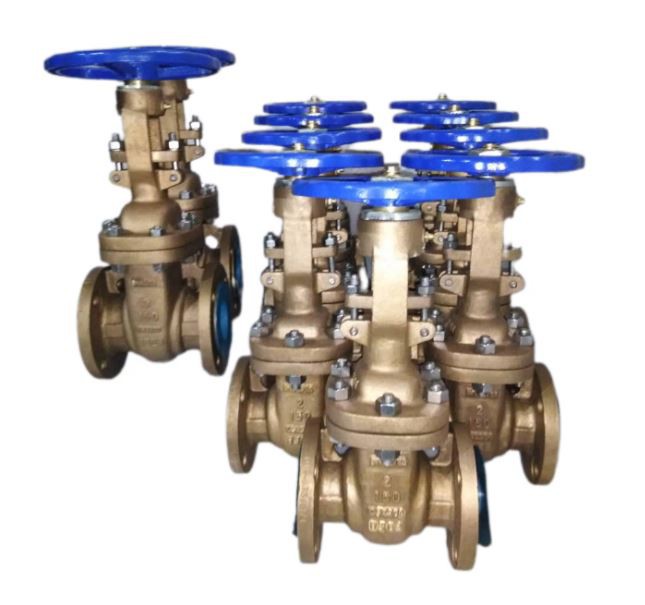
Check the valve's connections. The flanges, threads, and gaskets should be in good condition. Loose or damaged connections can cause leaks at the joints. A gasket that is worn out or misaligned may not provide a proper seal, leading to oxygen leakage. Inspect the valve stem as well. It should be straight and free from corrosion or excessive wear. A bent or corroded stem can interfere with the valve's operation, preventing it from opening or closing properly.
Material Compatibility
Oxygen is a highly reactive gas, so the materials used in the Oxygen Global Valve must be carefully selected. Check the valve's material specifications to ensure they are compatible with oxygen. Common materials for oxygen valves include stainless steel, brass, and certain types of plastics. These materials have good resistance to oxidation and are less likely to react with oxygen.
For instance, some plastics may be suitable for low - pressure oxygen applications, while stainless steel is often preferred for high - pressure systems. If the valve is made of an incompatible material, it can lead to oxidation, which may cause the valve to malfunction or even pose a fire hazard. Always refer to industry standards and guidelines when verifying material compatibility.
Pressure Testing
Pressure testing is a crucial step in evaluating the performance of an Oxygen Global Valve. There are two main types of pressure tests: hydrostatic and pneumatic.
Hydrostatic Testing: In hydrostatic testing, the valve is filled with a liquid, usually water, and pressurized to a specified level. This test helps to detect any leaks in the valve body or seals. The pressure is typically held for a certain period, and any drop in pressure indicates a leak. For example, if the valve is rated for a maximum pressure of 100 psi, it may be tested at a pressure of 150 psi to ensure its integrity.
Pneumatic Testing: Pneumatic testing uses a gas, such as air or nitrogen, to pressurize the valve. This test is often used when the valve will be used in a gas - based system. However, extra precautions must be taken when using oxygen for pneumatic testing due to its reactivity. The pressure is again monitored for any drops, and any leaks can be detected using a soap solution or other leak - detection methods.
Flow Capacity Testing
The flow capacity of an Oxygen Global Valve is an important performance parameter. It determines how much oxygen can pass through the valve under a given set of conditions. To test the flow capacity, you can use a flow meter to measure the flow rate of oxygen through the valve at different pressures.
Compare the measured flow rate with the valve's rated flow capacity. If the measured flow rate is significantly lower than the rated capacity, it may indicate a blockage in the valve, such as a clogged filter or a damaged internal component. You can also test the valve's ability to regulate the flow. Slowly open and close the valve and observe how the flow rate changes. A well - functioning valve should be able to control the flow smoothly.
Sealing Performance
The sealing performance of an Oxygen Global Valve is vital to prevent oxygen leakage. There are two main types of seals in a valve: the stem seal and the seat seal.
Stem Seal: The stem seal prevents oxygen from leaking along the valve stem. Check the stem seal for any signs of wear or damage. You can perform a simple test by applying a small amount of pressure to the valve while it is closed and checking for any leakage around the stem. If there is a leak, the stem seal may need to be replaced.
Seat Seal: The seat seal ensures a tight closure when the valve is in the closed position. To test the seat seal, pressurize the valve and check for any leakage downstream. A good seat seal should prevent any significant flow of oxygen when the valve is closed. If there is a leak, the seat may need to be cleaned or replaced.
Operational Testing
Operational testing involves actually operating the valve to ensure it functions as intended. Open and close the valve several times to check its ease of operation. The valve should open and close smoothly without any excessive force or binding.
Check the valve's position indicator, if it has one. The indicator should accurately reflect the position of the valve (open or closed). You can also test the valve's response time. For example, if the valve is supposed to close rapidly in case of an emergency, measure how long it takes for the valve to fully close when triggered.

Documentation and Certification
Always check the valve's documentation and certification. A reliable Oxygen Global Valve should come with a certificate of compliance that verifies it meets the relevant industry standards. This documentation provides important information about the valve's specifications, performance ratings, and testing results.
For example, the valve may be certified to meet standards such as ISO 15848 for fugitive emissions or ASME B16.34 for valve design and manufacturing. Make sure the documentation is up - to - date and that the valve has been tested and approved by a recognized third - party testing agency.
Conclusion
Checking the performance of an Oxygen Global Valve is a comprehensive process that involves multiple steps, from visual inspections to advanced testing procedures. By following these guidelines, you can ensure that the valves you supply or use are safe, reliable, and perform at their best.
If you are in the market for high - quality Oxygen Global Valves, or if you have any questions about valve performance testing, we are here to assist you. Our team of experts can provide you with detailed information and support to help you make the right choice. We are committed to delivering top - of - the - line Oxygen Globle Valve that meet your specific requirements. Whether you need Oxygen Check Valve for a small - scale application or Oxygen Gate Valve for a large - scale industrial project, we have the solutions you need. Contact us today to start a procurement discussion and find the perfect valve for your needs.
References
- ASME B16.34 - Valve Flanges and Fittings, American Society of Mechanical Engineers.
- ISO 15848 - Industrial valves - Measurement, test and qualification procedures for fugitive emissions, International Organization for Standardization.