

In the realm of industrial applications, valves play a pivotal role in controlling the flow of fluids and gases. Among the various materials used for valve manufacturing, Inconel has emerged as a highly sought - after choice due to its exceptional properties. As a trusted Inconel Valve supplier, I am excited to delve into the tribological properties of Inconel valves and explore why they are a top choice for many industries.
Understanding Tribology
Tribology is the science and engineering of interacting surfaces in relative motion. It encompasses friction, wear, and lubrication. When it comes to valves, tribological properties are crucial as they directly impact the valve's performance, durability, and efficiency. A valve with good tribological properties will have lower friction during operation, less wear over time, and better sealing capabilities.
Tribological Properties of Inconel Valves
Friction
Friction is a key factor in valve operation. High friction can lead to increased energy consumption, as more force is required to open and close the valve. Inconel valves exhibit relatively low friction coefficients, which is beneficial for smooth operation. The chemical composition of Inconel, which typically includes nickel, chromium, and other alloying elements, gives it a smooth surface finish at the microscopic level. This smoothness reduces the contact area between the moving parts of the valve, such as the valve stem and the packing, or the valve disc and the seat. As a result, the frictional forces are minimized, allowing for easier actuation of the valve.
For example, in high - pressure applications, where the force required to operate a valve can be substantial, the low friction of Inconel valves can significantly reduce the energy needed for valve actuation. This not only saves on operational costs but also extends the lifespan of the valve actuator.
Wear Resistance
Wear is another critical aspect of valve performance. Valves are often subjected to harsh operating conditions, including high - velocity fluid flow, abrasive particles in the fluid, and high temperatures. Inconel's excellent wear resistance makes it an ideal material for valves in such environments.
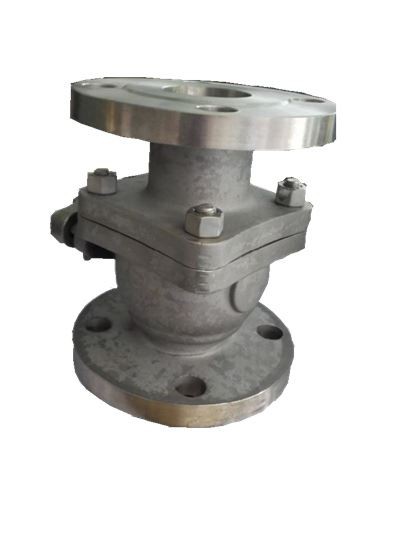

The alloying elements in Inconel form a hard and stable surface layer that can withstand the erosive and abrasive forces. Chromium, for instance, forms a passive oxide layer on the surface of the Inconel, which acts as a protective barrier against wear. This oxide layer is self - healing, meaning that if it is damaged during operation, it can reform under the right conditions.
In applications where the fluid contains solid particles, such as in mining or oil and gas industries, Inconel valves can resist the abrasive wear caused by these particles much better than valves made from other materials. This results in a longer service life for the valve, reducing the frequency of valve replacements and maintenance costs.
Lubrication
Although Inconel valves have good inherent tribological properties, proper lubrication can further enhance their performance. Lubrication helps to reduce friction and wear by separating the moving surfaces with a thin film of lubricant. Inconel valves can be designed to work effectively with a variety of lubricants, depending on the application requirements.
For high - temperature applications, special high - temperature lubricants can be used to ensure that the valve operates smoothly even at elevated temperatures. In some cases, the valve design may incorporate features such as lubricant reservoirs or channels to ensure continuous lubrication of the critical moving parts.
Comparison with Other Special - Material Valves
When considering valve materials, it's also important to compare Inconel valves with other special - material valves such as Titanium Valve, Hastelloy Valve, and Zirconium Valve.
Titanium valves are known for their high strength - to - weight ratio and excellent corrosion resistance. However, in terms of tribological properties, Inconel valves generally have better wear resistance, especially in high - temperature and high - pressure applications. Titanium can be more prone to galling, a form of wear where the surfaces of the moving parts stick together and then break apart, causing damage.
Hastelloy valves are highly resistant to corrosion in a wide range of chemical environments. While they also have good mechanical properties, Inconel valves may offer better tribological performance in terms of friction and wear in certain applications. Hastelloy may be more suitable for applications where corrosion resistance is the primary concern, while Inconel can be a better choice when both corrosion resistance and good tribological properties are required.
Zirconium valves are often used in applications where high - purity and corrosion resistance are essential. However, they may not have the same level of wear resistance as Inconel valves in abrasive environments. Inconel's ability to form a hard and protective surface layer gives it an edge in applications where the valve is exposed to abrasive particles.
Applications of Inconel Valves
The excellent tribological properties of Inconel valves make them suitable for a wide range of applications.
Aerospace Industry
In the aerospace industry, valves need to operate under extreme conditions, including high temperatures, high pressures, and rapid changes in temperature and pressure. Inconel valves are used in aircraft engines, fuel systems, and hydraulic systems. Their low friction and high wear resistance ensure reliable operation, which is crucial for the safety and performance of the aircraft.
Chemical Processing Industry
The chemical processing industry involves the handling of a variety of corrosive and abrasive chemicals. Inconel valves are used in chemical reactors, pipelines, and storage tanks. Their corrosion resistance and wear resistance make them ideal for controlling the flow of chemicals, ensuring the integrity of the process and preventing leaks.
Power Generation Industry
In power plants, whether they are nuclear, fossil - fuel, or renewable energy plants, valves play a vital role in controlling the flow of steam, water, and other fluids. Inconel valves are used in high - temperature and high - pressure applications, such as in steam turbines and boiler systems. Their good tribological properties ensure smooth operation and long service life, reducing downtime and maintenance costs.
Why Choose Our Inconel Valves
As a leading Inconel Valve supplier, we take pride in offering high - quality valves that meet the most stringent industry standards. Our Inconel valves are manufactured using advanced production techniques and undergo rigorous quality control processes to ensure their performance and reliability.
We have a team of experienced engineers and technicians who can provide customized valve solutions based on your specific application requirements. Whether you need a valve for a high - pressure, high - temperature application or a valve with special sealing requirements, we can design and manufacture a valve that meets your needs.
In addition, we offer excellent after - sales service, including valve maintenance, repair, and replacement parts. Our commitment to customer satisfaction means that we will work closely with you to ensure that your valve operates smoothly and efficiently throughout its service life.
Contact Us for Procurement
If you are in the market for high - quality Inconel valves, we invite you to contact us for procurement. Our team of experts is ready to assist you in selecting the right valve for your application, providing you with detailed technical information, and offering competitive pricing. Whether you are a small - scale industrial user or a large - scale corporation, we can meet your valve needs.
References
- "Tribology in Machine Design" by Michael J. Neale.
- "Materials Science and Engineering: An Introduction" by William D. Callister, Jr. and David G. Rethwisch.
- Industry reports on valve materials and applications from leading research institutions.