

Storing cryogenic valves properly is crucial for maintaining their performance, reliability, and longevity. As a cryogenic valve supplier, I understand the importance of proper storage practices to ensure that our products reach our customers in optimal condition. In this blog post, I will share some key guidelines on how to store cryogenic valves effectively.
Understanding Cryogenic Valves
Before delving into storage methods, it's essential to understand what cryogenic valves are and why they require special handling. Cryogenic valves are designed to operate at extremely low temperatures, typically below -150°C (-238°F). These valves are commonly used in industries such as liquefied natural gas (LNG), air separation, and semiconductor manufacturing.
Cryogenic valves are made from materials that can withstand the harsh conditions of cryogenic applications, such as stainless steel, brass, and special alloys. They are also designed with features to prevent leakage and ensure reliable operation at low temperatures.
Preparing for Storage
Proper preparation is the first step in ensuring the safe storage of cryogenic valves. Here are some key steps to take before storing your valves:
Cleaning
Before storage, it's important to clean the valves thoroughly to remove any dirt, debris, or contaminants. Use a mild detergent and water to clean the exterior of the valve, and a suitable solvent to clean the internal components. Make sure to dry the valve completely before storage to prevent corrosion.
Lubrication
Apply a thin layer of high-quality lubricant to the moving parts of the valve to prevent rust and corrosion. Use a lubricant that is compatible with the valve materials and the cryogenic environment.
Protection
Protect the valve from physical damage during storage by wrapping it in a protective material, such as bubble wrap or foam. This will help prevent scratches, dents, and other damage that could affect the valve's performance.
Identification
Label the valve with its model number, size, and other relevant information to make it easy to identify during storage and retrieval. This will also help ensure that the correct valve is used for the intended application.
Storage Conditions
The storage conditions for cryogenic valves are critical to their performance and longevity. Here are some key factors to consider when storing cryogenic valves:
Temperature
Cryogenic valves should be stored in a cool, dry place away from direct sunlight and heat sources. The ideal storage temperature for cryogenic valves is between -20°C (-4°F) and 50°C (122°F). Avoid storing the valves in areas where the temperature fluctuates significantly, as this can cause condensation and corrosion.
Humidity
High humidity can cause corrosion and damage to the valve materials. The relative humidity in the storage area should be kept below 60% to prevent corrosion. If the storage area is prone to high humidity, consider using a dehumidifier to maintain a suitable environment.
Ventilation
Proper ventilation is essential to prevent the accumulation of moisture and harmful gases in the storage area. Make sure the storage area is well-ventilated to ensure a constant supply of fresh air.
Protection from Dust and Debris
Keep the storage area clean and free from dust and debris. Dust and debris can accumulate on the valve surfaces and cause damage to the moving parts. Use a dust cover or other protective measures to prevent dust and debris from entering the storage area.
Storage Methods
There are several storage methods that can be used to store cryogenic valves effectively. Here are some common storage methods:
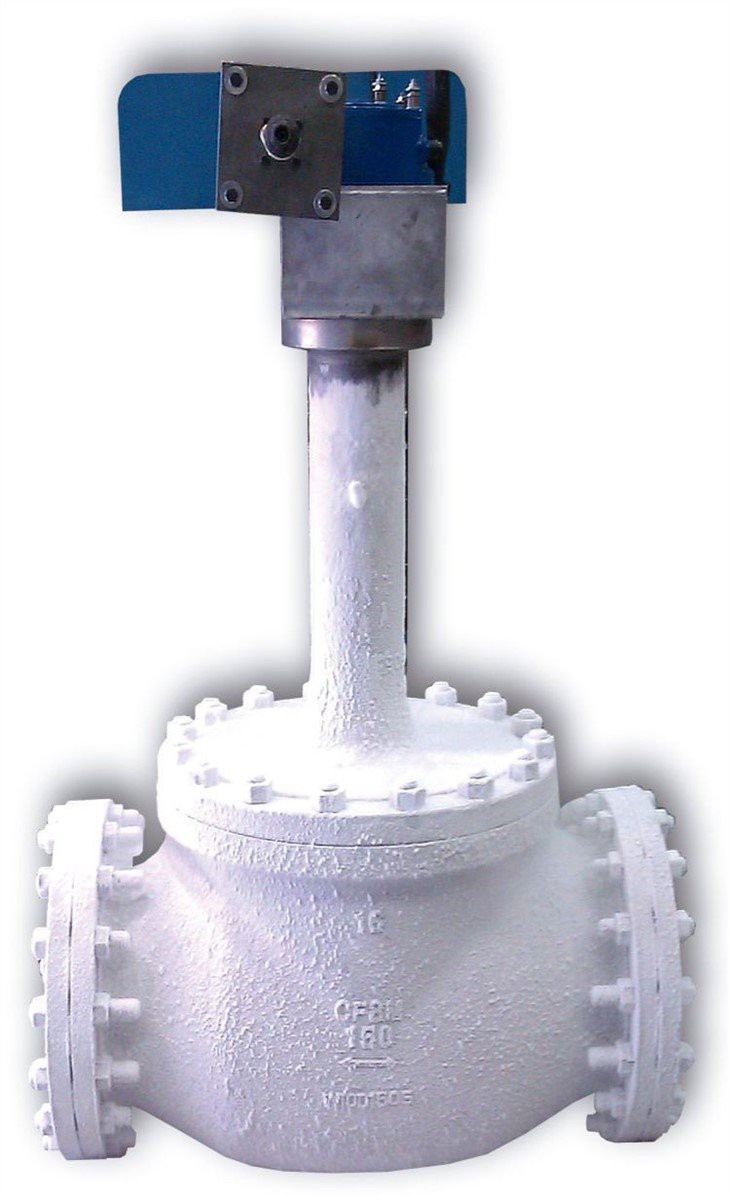

Rack Storage
Rack storage is a popular method for storing cryogenic valves. Valves can be stored on racks in an upright position to prevent damage to the valve components. Make sure the racks are sturdy and can support the weight of the valves.
Pallet Storage
Pallet storage is another option for storing cryogenic valves. Valves can be stacked on pallets and stored in a warehouse or other storage facility. Make sure the pallets are stable and can support the weight of the valves.
Container Storage
Container storage is a good option for storing cryogenic valves that need to be transported or stored in a protected environment. Valves can be stored in containers that are designed to protect them from physical damage, moisture, and other environmental factors.
Inspection and Maintenance
Regular inspection and maintenance are essential to ensure the continued performance and reliability of cryogenic valves during storage. Here are some key steps to take during inspection and maintenance:
Visual Inspection
Perform a visual inspection of the valve periodically to check for signs of damage, corrosion, or other issues. Look for cracks, scratches, dents, and other damage to the valve surfaces. Check the valve packing and seals for signs of wear or damage.
Function Testing
Perform a function test of the valve periodically to ensure that it operates smoothly and reliably. Open and close the valve several times to check for any sticking or binding. Check the valve's flow characteristics to ensure that it meets the specified requirements.
Maintenance
If any issues are detected during inspection or function testing, take appropriate action to address them. This may include cleaning, lubrication, replacement of damaged parts, or other maintenance procedures.
Handling and Transportation
Proper handling and transportation are essential to ensure the safe and reliable delivery of cryogenic valves to their destination. Here are some key factors to consider when handling and transporting cryogenic valves:
Handling
When handling cryogenic valves, use proper lifting equipment and techniques to prevent damage to the valve. Make sure the valve is securely fastened to the lifting equipment to prevent it from falling or shifting during transportation.
Transportation
When transporting cryogenic valves, use a suitable transportation method that is designed to protect the valves from physical damage, vibration, and other environmental factors. Make sure the valves are properly secured in the transportation vehicle to prevent them from moving or shifting during transit.
Conclusion
Proper storage of cryogenic valves is essential to ensure their performance, reliability, and longevity. By following the guidelines outlined in this blog post, you can ensure that your cryogenic valves are stored safely and effectively. If you have any questions or need further information about cryogenic valve storage, please [contact us](insert contact link here). We are a leading supplier of Cryogenic Butterfly Valve and Cryogenic Ball Valve, and we are committed to providing our customers with high-quality products and excellent service.
References
- ASME B31.3 Process Piping Code
- API 6D Pipeline Valves Specification
- ISO 15848-1 Industrial Valves - Measurement, Test and Qualification Procedures for Fugitive Emissions
- NACE MR0175/ISO 15156 Petroleum and Natural Gas Industries - Materials for Use in H2S-Containing Environments in Oil and Gas Production