

Hey there! As a supplier of cryogenic valves, I often get asked about the response time of cryogenic valve actuators. It's a crucial factor, especially when you're dealing with applications where precise and rapid control is a must.
Let's start by understanding what a cryogenic valve actuator is. Simply put, it's a device that controls the opening and closing of a cryogenic valve. Cryogenic valves, like the Cryogenic Ball Valve and Cryogenic Butterfly Valve, are designed to work in extremely low - temperature environments, often in industries such as liquefied natural gas (LNG) processing, medical gas storage, and semiconductor manufacturing.
The response time of a cryogenic valve actuator refers to the time it takes for the actuator to move the valve from one position to another, usually from fully closed to fully open or vice versa. This time can vary widely depending on several factors.
One of the main factors affecting response time is the type of actuator. There are different types of cryogenic valve actuators, including pneumatic, electric, and hydraulic actuators.

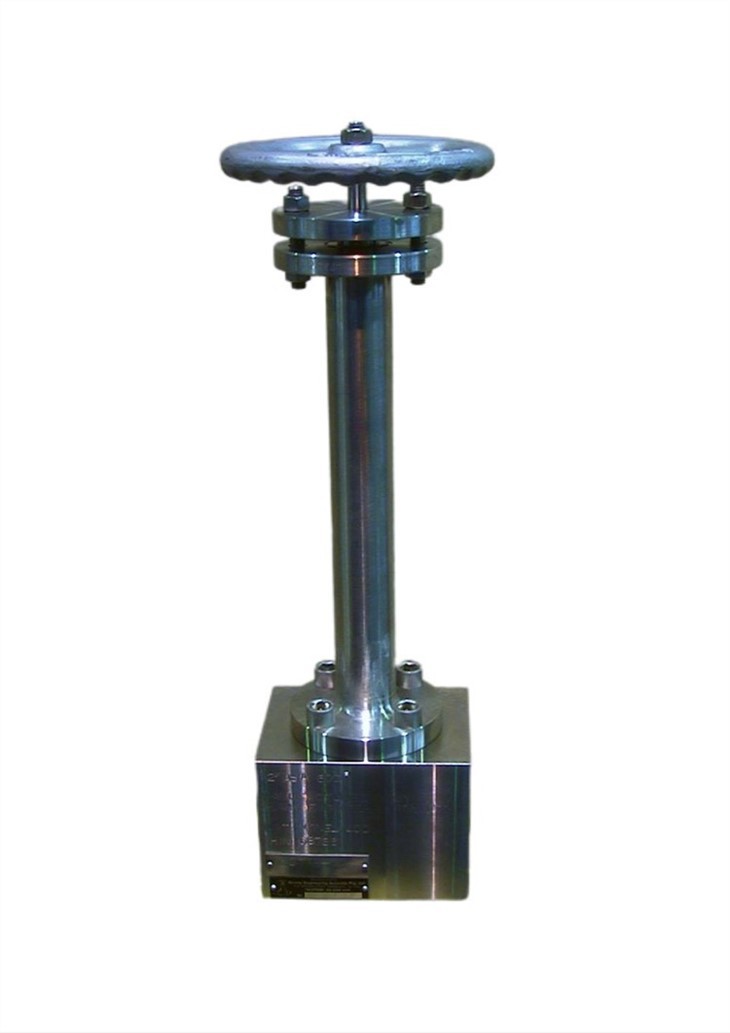
Pneumatic actuators use compressed air to operate the valve. They're known for their relatively fast response times. The compressed air can quickly build up pressure and move the valve components. In a well - designed pneumatic system, the response time can be as short as a few milliseconds to a few seconds, depending on the size of the valve and the pressure of the air supply. For small cryogenic ball valves used in some laboratory setups, a pneumatic actuator can open or close the valve in less than a second, which is super handy when you need to control the flow of cryogenic fluids rapidly.
Electric actuators, on the other hand, rely on an electric motor to drive the valve. Their response time can be a bit more variable. Some high - performance electric actuators can have response times similar to pneumatic ones, especially if they're designed for quick - acting applications. However, in general, electric actuators might take a bit longer, especially if they have to overcome mechanical resistance in the valve mechanism. For larger cryogenic butterfly valves, an electric actuator might take anywhere from a couple of seconds to tens of seconds to fully open or close the valve.
Hydraulic actuators use a liquid, usually oil, to generate the force needed to move the valve. They can provide a lot of power, which is great for large - scale cryogenic valves. But their response times can be longer compared to pneumatic actuators. The flow of the hydraulic fluid has to be regulated, and there can be some delay in building up the necessary pressure. In some industrial applications with large cryogenic valves, a hydraulic actuator might take several seconds to a minute to complete a full stroke.
Another factor that affects the response time is the size and design of the valve itself. Larger valves generally have longer response times because there's more mass to move and more resistance in the valve mechanism. For example, a large - diameter cryogenic ball valve used in an LNG storage facility will take longer to open or close compared to a small - bore valve used in a cryogenic research experiment.
The design of the valve internals also plays a role. Valves with complex internal geometries or tight - fitting components might have longer response times because the actuator has to work harder to overcome the friction and mechanical resistance.
The temperature of the cryogenic environment can also impact the response time. At extremely low temperatures, the viscosity of the lubricants used in the actuator and valve components can increase. This can slow down the movement of the parts and increase the response time. For instance, in a cryogenic system operating at - 196°C (the boiling point of liquid nitrogen), the lubricants might thicken, causing the actuator to take longer to move the valve.
In addition, the control system used to operate the actuator is crucial. A well - tuned control system can optimize the response time. For example, a programmable logic controller (PLC) can be used to precisely time the operation of the actuator. It can send signals at the right moments to minimize the delay between the command and the actual movement of the valve.
Now, why is the response time so important? In cryogenic applications, rapid and precise control of fluid flow is often essential for safety and efficiency. In an LNG storage and transfer system, for example, a fast - responding valve actuator can quickly shut off the flow in case of an emergency, preventing the leakage of highly flammable and cold LNG. In a medical cryogenic storage facility, a quick - acting valve can ensure that the right amount of cryogenic coolant is supplied to keep the stored samples at the correct temperature.
If you're in the market for cryogenic valves and are concerned about the response time of the actuators, we're here to help. We've got a wide range of cryogenic valves, including Cryogenic Ball Valve and Cryogenic Butterfly Valve, with different types of actuators to suit your specific needs. Whether you need a fast - acting valve for a critical application or a more robust valve for long - term use, we can provide you with the right solution.
We understand that every project is unique, and we're happy to work with you to determine the best valve and actuator combination for your cryogenic system. If you're interested in learning more or want to discuss your specific requirements, feel free to reach out. We're always ready to have a chat and find the perfect cryogenic valve solution for you.
References
- "Handbook of Cryogenic Engineering", edited by R. P. Reed
- "Valve Handbook", by J. F. Perry
- Industry standards and guidelines related to cryogenic valve design and operation