

As a supplier of cryogenic valves, I've witnessed firsthand the remarkable energy - saving benefits these specialized components bring to various industries. In this blog, I'll delve into the scientific principles behind these benefits and explain why cryogenic valves are a smart choice for energy - conscious businesses.
Understanding Cryogenic Valves
Cryogenic valves are designed to operate in extremely low - temperature environments, typically below -150°C. They are used in industries such as liquefied natural gas (LNG) production, air separation plants, and medical gas storage. These valves need to withstand the challenges of cold temperatures, including material brittleness, thermal contraction, and the potential for leakage.
There are different types of cryogenic valves available, such as Cryogenic Ball Valve and Cryogenic Butterfly Valve. Each type has its own unique design and functionality, but they all share the common goal of providing reliable flow control in cryogenic applications.
Energy - Saving Mechanisms of Cryogenic Valves
Minimized Leakage
One of the primary energy - saving benefits of cryogenic valves is their ability to minimize leakage. In cryogenic systems, even a small amount of leakage can result in significant energy losses. Cryogenic valves are engineered with tight sealing mechanisms to prevent the escape of cryogenic fluids. For example, the seats and seals of cryogenic ball valves are made from materials that can maintain their elasticity and sealing performance at low temperatures. This ensures that the cryogenic fluid remains within the system, reducing the need for additional energy to replace the lost fluid.
In LNG terminals, where large volumes of liquefied gas are stored and transported, minimizing leakage is crucial. A well - designed cryogenic valve can prevent the evaporation of LNG, which requires a large amount of energy to liquefy in the first place. By reducing leakage, cryogenic valves help to conserve energy and lower operational costs.
Efficient Flow Control
Cryogenic valves also offer efficient flow control, which is essential for optimizing energy usage. These valves can precisely regulate the flow rate of cryogenic fluids, allowing for better control of the entire system. For instance, in an air separation plant, cryogenic butterfly valves can be used to control the flow of liquid oxygen, nitrogen, and argon. By adjusting the valve opening, operators can ensure that the right amount of fluid is delivered to each process, avoiding over - or under - supply.
Efficient flow control also reduces the pressure drop across the valve. A lower pressure drop means that less energy is required to pump the cryogenic fluid through the system. Cryogenic valves are designed with streamlined internal passages to minimize pressure losses, resulting in energy savings.
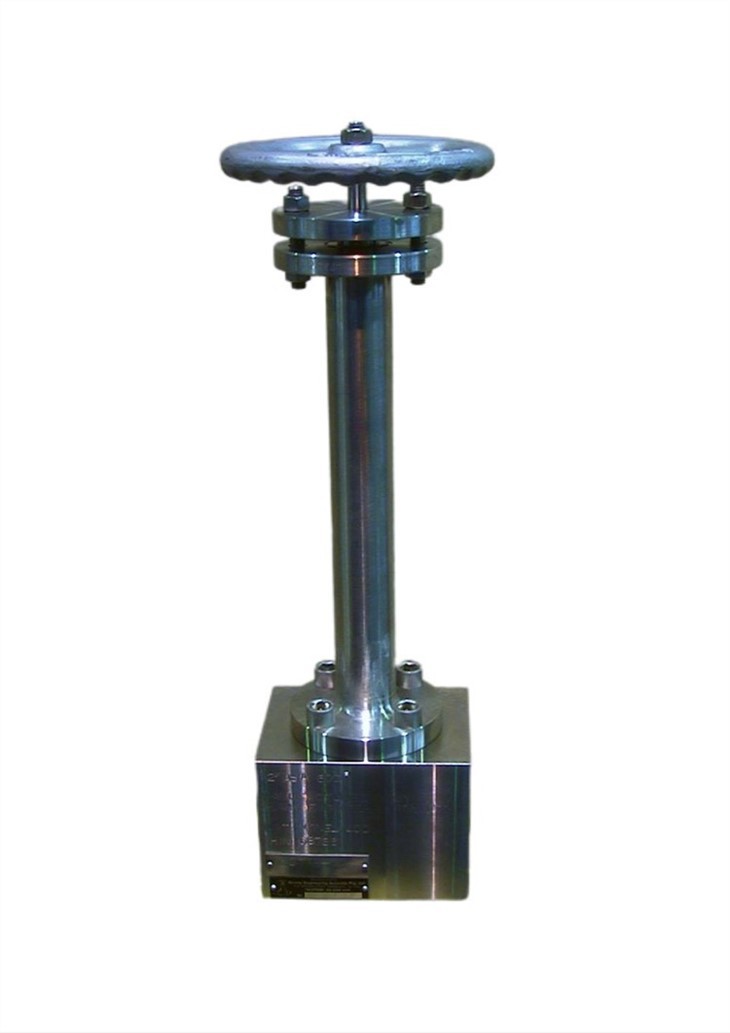

Thermal Insulation
Another important energy - saving feature of cryogenic valves is their thermal insulation. Cryogenic fluids are extremely cold, and heat transfer from the surrounding environment can cause them to warm up and evaporate. Cryogenic valves are often equipped with insulation materials to reduce heat ingress. This insulation helps to maintain the low temperature of the cryogenic fluid, reducing the energy needed to keep it in a liquefied state.
For example, some cryogenic valves have multi - layer insulation that provides excellent thermal resistance. This insulation not only saves energy but also protects the valve components from the effects of thermal stress, extending the valve's service life.
Case Studies: Energy Savings in Real - World Applications
LNG Production
In LNG production plants, cryogenic valves play a vital role in energy conservation. A large - scale LNG plant in the Middle East installed a new set of cryogenic ball valves in its liquefaction process. These valves were designed with advanced sealing technology to minimize leakage. After the installation, the plant reported a significant reduction in LNG evaporation losses. The energy savings from reduced evaporation translated into a cost savings of millions of dollars per year.
Air Separation Plants
An air separation plant in Europe upgraded its cryogenic butterfly valves to improve flow control. The new valves were able to provide more precise regulation of the liquid gas flow, reducing the pressure drop across the system. As a result, the plant's energy consumption for pumping the cryogenic fluids decreased by 15%. This reduction in energy usage not only lowered the plant's operating costs but also reduced its carbon footprint.
Considerations for Choosing Energy - Efficient Cryogenic Valves
When selecting cryogenic valves for energy - saving purposes, several factors should be considered.
Material Selection
The choice of materials is crucial for the performance and energy efficiency of cryogenic valves. Materials should be able to withstand low temperatures without becoming brittle or losing their sealing properties. Common materials for cryogenic valves include stainless steel, nickel - based alloys, and special polymers.
Valve Design
The design of the valve also affects its energy - saving potential. Valves with streamlined internal passages and efficient sealing mechanisms are more likely to minimize pressure drop and leakage. Additionally, the valve's actuation system should be energy - efficient. For example, electric actuators can be programmed to consume less energy during operation.
Maintenance and Serviceability
Regular maintenance is essential for ensuring the long - term energy efficiency of cryogenic valves. Valves that are easy to maintain and service can reduce downtime and energy losses. It's important to choose valves from suppliers that offer comprehensive maintenance support and spare parts availability.
Conclusion
In conclusion, cryogenic valves offer significant energy - saving benefits in various industries. Their ability to minimize leakage, provide efficient flow control, and offer thermal insulation makes them an essential component for energy - conscious businesses. As a cryogenic valve supplier, I'm committed to providing high - quality valves that not only meet the technical requirements of our customers but also help them achieve their energy - saving goals.
If you're interested in learning more about our cryogenic valves or would like to discuss your specific energy - saving needs, please feel free to contact us. We're here to assist you in finding the best valve solutions for your application and to help you make the most of the energy - saving benefits that cryogenic valves offer.
References
- "Cryogenic Technology Handbook", edited by John W. Swift.
- "Energy Efficiency in Industrial Processes", published by the International Energy Agency.
- Industry reports on LNG production and air separation plant operations.