

Yo, what's up everyone! I'm a supplier of forged valves, and today I wanna talk about the corrosion resistance of forged valves.
First off, let's understand what corrosion is. Corrosion is basically the gradual destruction of materials, usually metals, by chemical reactions with their environment. It's like a silent enemy that can eat away at your valves over time, causing leaks, malfunctions, and all sorts of headaches. So, having good corrosion resistance in forged valves is super important.
Forged valves are made through a forging process, which involves shaping metal by applying compressive forces. This process gives the valves a dense and uniform structure, which is one of the reasons they often have better corrosion resistance compared to valves made by other methods.
One of the key factors that affect the corrosion resistance of forged valves is the material they're made from. We use a variety of materials, and each has its own level of resistance to corrosion.
Stainless steel is a popular choice for forged valves. It contains chromium, which forms a thin, passive oxide layer on the surface of the valve. This layer acts as a protective barrier, preventing oxygen and other corrosive agents from reaching the underlying metal. For example, 316 stainless steel is known for its excellent resistance to corrosion in many environments, including those with mild acids and salts. It's commonly used in applications like food processing, chemical handling, and marine environments.
Carbon steel is another material we use. While it's not as corrosion - resistant as stainless steel out of the box, it can be treated to improve its resistance. For instance, we can apply coatings like epoxy or zinc to carbon steel forged valves. These coatings create a physical barrier between the metal and the corrosive environment. Carbon steel valves are often used in applications where the corrosion risk is relatively low, such as in some water systems or general industrial applications.

Alloy steels are also used for forged valves when we need even better corrosion resistance in more aggressive environments. Alloy steels are made by adding other elements like nickel, molybdenum, or vanadium to the steel. These additional elements enhance the steel's properties, making it more resistant to corrosion. For example, valves made from alloy steels can be used in high - temperature and high - pressure applications in the oil and gas industry, where they're exposed to harsh chemicals and corrosive substances.
Now, let's talk about some specific types of forged valves and their corrosion resistance.
The Forged check Valve is designed to allow fluid to flow in one direction only. Its corrosion resistance depends on the material and the environment it's used in. In a water system, a stainless - steel forged check valve can last a long time without significant corrosion. However, in a system with high - salinity water or chemicals, we might need to choose a more corrosion - resistant material or apply a special coating.
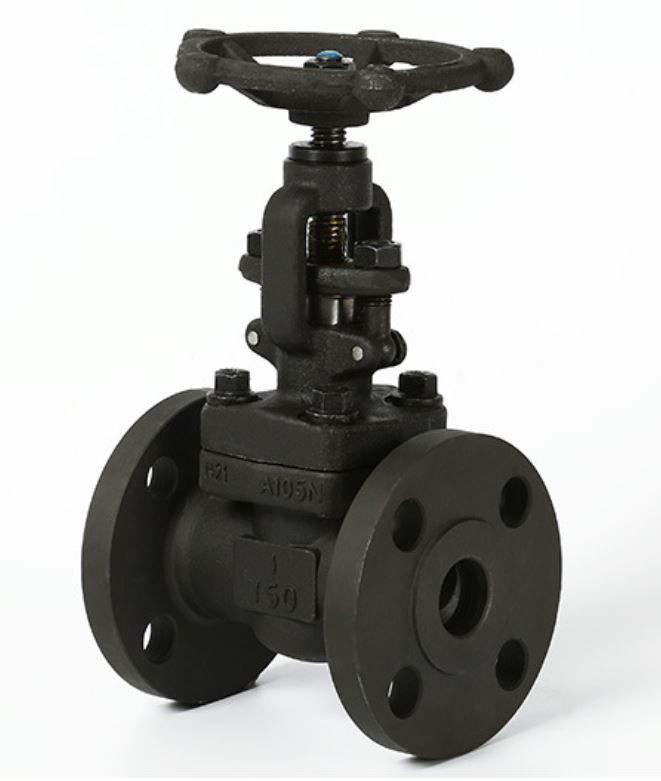
Gate Valve is used to control the flow of fluid by raising or lowering a gate. Gate valves made from stainless steel can resist corrosion well in many industrial applications. But in a highly acidic environment, we might need to use a gate valve made from a more exotic alloy or with a corrosion - resistant lining.
Globe Valve is used to regulate the flow of fluid. Similar to other valves, its corrosion resistance is determined by the material. A globe valve made from carbon steel with a proper coating can work well in a less corrosive environment, while a stainless - steel or alloy - steel globe valve is a better choice for more aggressive conditions.
The environment in which the forged valves are used also plays a huge role in their corrosion resistance. In a marine environment, the high salt content in the air and water can be very corrosive. Valves used on ships or offshore platforms need to be made from materials that can withstand this salt - laden environment. We often recommend stainless - steel or coated carbon - steel valves for marine applications.
In a chemical plant, the valves are exposed to a wide range of chemicals, some of which can be extremely corrosive. In such cases, we need to carefully select the valve material based on the specific chemicals present. For example, if the plant deals with hydrochloric acid, we might choose a valve made from a material like Hastelloy, which has excellent resistance to this acid.
Temperature also affects corrosion. High temperatures can accelerate the corrosion process. For example, in a steam system, the high temperature and moisture can cause corrosion in valves if they're not made from the right material. We need to use materials that can withstand high - temperature corrosion, such as certain alloy steels.
To maintain the corrosion resistance of forged valves, proper installation and maintenance are crucial. During installation, we need to make sure that the valves are installed correctly, without any damage to the protective coatings or surfaces. Improper installation can create areas where corrosion can start more easily.
Regular maintenance is also important. This includes inspecting the valves for signs of corrosion, cleaning them if necessary, and replacing any damaged parts. If we notice any signs of corrosion, such as rust or pitting, we need to take action immediately to prevent the corrosion from spreading.
In conclusion, the corrosion resistance of forged valves is a complex topic that depends on many factors, including the material, the environment, and the maintenance. As a forged valve supplier, we have the knowledge and experience to help you choose the right valve for your specific application. Whether you need a Forged check Valve, a Gate Valve, or a Globe Valve, we can provide you with high - quality valves that offer excellent corrosion resistance.
If you're in the market for forged valves and want to learn more about how we can meet your corrosion - resistance needs, don't hesitate to reach out. We're here to have a chat and work out the best solution for you.
References:
- "Corrosion of Metals" by Uhlig, H. H.
- "Handbook of Valves" by Nayyar, A. K.