

Hey there! As an oxygen valve supplier, I often get asked about the pressure rating of oxygen valves. It's a crucial topic, so let's dive right in and break it down.
First off, what exactly is the pressure rating of an oxygen valve? Well, the pressure rating of an oxygen valve refers to the maximum pressure that the valve can safely handle under normal operating conditions. It's a key specification because using a valve with an inappropriate pressure rating can lead to all sorts of problems, from leaks to dangerous malfunctions.
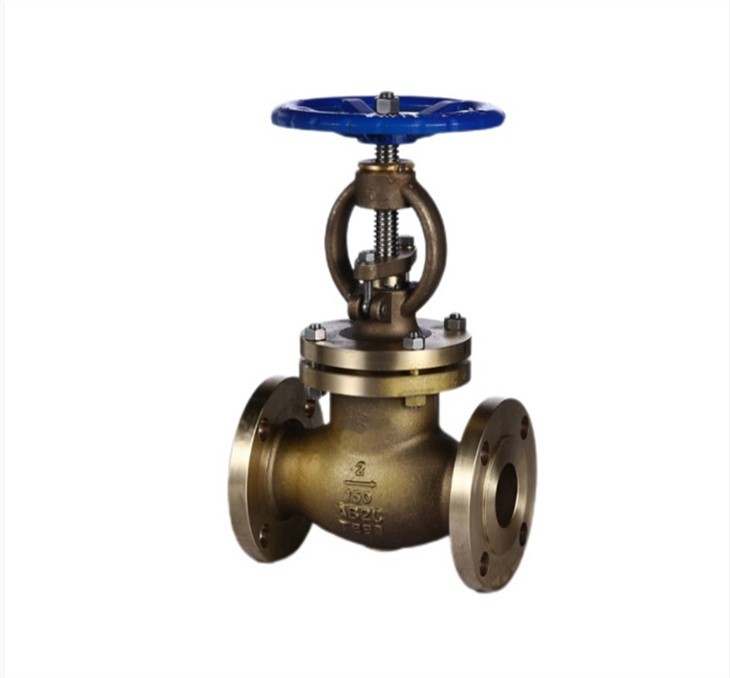
When it comes to oxygen valves, there are different types, each with its own typical pressure ratings. For instance, we've got the Oxygen Globle Valve. These valves are commonly used in a variety of oxygen systems. They usually have a wide range of pressure ratings depending on their size and design. Smaller globe valves might have a pressure rating in the range of 100 - 300 psi (pounds per square inch), while larger, more heavy - duty ones can handle pressures up to 1000 psi or even higher.
Then there's the Oxygen Ball Valve. Ball valves are known for their quick - opening and closing action, which makes them great for applications where rapid shut - off is required. Pressure ratings for oxygen ball valves can vary quite a bit. Some standard ones might be rated for pressures around 200 - 500 psi, but in industrial settings where high - pressure oxygen is involved, you can find ball valves with pressure ratings of 1500 psi or more.

The Oxygen Butterfly Valve is another type. These valves are often used in larger - scale oxygen piping systems. Their pressure ratings are generally a bit lower compared to globe and ball valves in high - pressure applications. You'll typically see pressure ratings for oxygen butterfly valves in the range of 50 - 200 psi for smaller sizes, and up to 500 psi for larger, more robust models.
Now, why does the pressure rating matter so much? Well, oxygen is a highly reactive gas. When it's under high pressure, any kind of valve failure can be extremely dangerous. A valve that can't handle the pressure might start to leak oxygen, which not only wastes the valuable gas but also creates a fire hazard. In extreme cases, a catastrophic failure of the valve could lead to an explosion. So, getting the right pressure rating for your oxygen valve is essential for safety and efficient operation.
There are several factors that determine the pressure rating of an oxygen valve. The material of the valve is a big one. Valves made from high - strength materials like stainless steel or brass can generally handle higher pressures than those made from softer materials. The design of the valve also plays a role. A well - engineered valve with a strong body and a reliable sealing mechanism will have a higher pressure rating.
Manufacturers use a variety of testing methods to determine the pressure rating of their valves. They'll subject the valves to different levels of pressure in a controlled environment and monitor for any signs of leakage or structural failure. Once they've determined the maximum pressure that the valve can withstand without issues, that becomes the official pressure rating.
When you're choosing an oxygen valve, it's important to know the operating pressure of your oxygen system. You don't want to go for a valve with a pressure rating that's too low, as that could put your system at risk. On the other hand, choosing a valve with a much higher pressure rating than you need can be overkill and might end up costing you more.

So, how do you figure out the right pressure rating for your specific application? Well, first, you need to know the maximum pressure that your oxygen system will ever reach. This might involve looking at the specifications of your oxygen source, such as a compressor or a storage tank. You also need to consider any pressure fluctuations that might occur in the system.
Let's say you're running a small medical oxygen system. The pressure in these systems is usually relatively low, maybe around 50 - 100 psi. In this case, a valve with a pressure rating of 150 - 200 psi would probably be sufficient. But if you're working in an industrial setting where high - pressure oxygen is used for things like welding or metal cutting, you'll need a valve with a much higher pressure rating.
As a supplier, I've seen a lot of customers make mistakes when it comes to choosing the right pressure rating for their oxygen valves. Some think that bigger is always better and end up buying a valve with a way too high pressure rating, which is a waste of money. Others underestimate the pressure in their system and choose a valve that's not up to the task.
That's where our expertise comes in. We've been in the oxygen valve business for a long time, and we know all about the different pressure ratings and which valves are best suited for different applications. Whether you need a valve for a small laboratory setup or a large industrial plant, we can help you find the right one with the appropriate pressure rating.
If you're in the market for an oxygen valve and you're not sure what pressure rating you need, don't hesitate to reach out to us. We're here to answer all your questions and guide you through the selection process. We can also provide you with detailed product specifications so you can make an informed decision.
In conclusion, understanding the pressure rating of an oxygen valve is crucial for the safety and efficiency of your oxygen system. There are different types of oxygen valves with varying pressure ratings, and choosing the right one depends on your specific application. As your trusted oxygen valve supplier, we're here to make sure you get the perfect valve for your needs. So, if you're interested in purchasing oxygen valves, get in touch with us, and let's start a conversation about your requirements.

References
- Industrial Gas Handbook: Gas Separation and Purification, by Christopher A. Stocker
- Handbook of Valves for Fluid Control, by M. A. Jawad