

As a supplier of Oxygen Ball Valves, I often encounter inquiries from customers regarding the suitability of these valves for outdoor environments. This blog post aims to provide a comprehensive analysis of whether an oxygen ball valve can be used outdoors, considering various factors such as environmental conditions, valve materials, and safety requirements.
Environmental Conditions
Outdoor environments present a wide range of challenges that can affect the performance and longevity of oxygen ball valves. Temperature fluctuations are one of the most significant factors. Extreme cold can cause the valve materials to become brittle, increasing the risk of cracking and leakage. On the other hand, high temperatures can lead to thermal expansion, which may affect the valve's sealing performance.

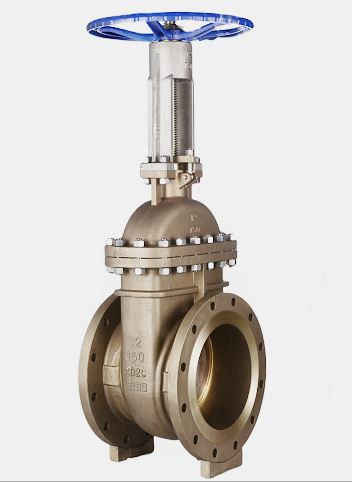
Humidity is another crucial factor. Moisture in the air can cause corrosion, especially if the valve is not properly protected. Saltwater environments, such as coastal areas, are particularly harsh due to the presence of salt, which accelerates the corrosion process. Additionally, exposure to dust, dirt, and other contaminants can also affect the valve's operation, potentially causing blockages or damage to the internal components.
Valve Materials
The choice of materials for oxygen ball valves is critical when considering outdoor use. Stainless steel is a popular choice due to its excellent corrosion resistance. It can withstand a wide range of temperatures and is relatively resistant to the effects of moisture and salt. However, not all stainless steels are created equal, and the specific grade of stainless steel used in the valve can significantly impact its performance.
For example, 316 stainless steel is often preferred for outdoor applications because it contains molybdenum, which enhances its resistance to pitting and crevice corrosion. This makes it more suitable for use in harsh environments, such as coastal areas or industrial settings where there may be exposure to chemicals or pollutants.
In addition to the body material, the sealing materials of the valve also need to be carefully selected. Elastomers, such as Viton or EPDM, are commonly used for seals. Viton is known for its excellent resistance to high temperatures and chemicals, making it a good choice for applications where the valve may be exposed to extreme conditions. EPDM, on the other hand, is more resistant to water and steam, making it suitable for applications where moisture is a concern.
Safety Requirements
Safety is of utmost importance when dealing with oxygen, especially in outdoor environments where there may be additional risks. Oxygen is a highly reactive gas that can support combustion, so any valve used in an oxygen system must be designed and manufactured to meet strict safety standards.
One of the key safety considerations is the prevention of contamination. Oxygen ball valves should be cleaned and degreased to remove any traces of oil, grease, or other combustible materials. This is typically done using specialized cleaning processes and solvents to ensure that the valve is free from any potential ignition sources.
Another important safety feature is the use of appropriate pressure ratings. The valve must be able to withstand the maximum pressure that may be encountered in the oxygen system. Overpressure can cause the valve to fail, leading to leakage or even explosion. Therefore, it is essential to select a valve with a pressure rating that is appropriate for the specific application.
Advantages of Using Oxygen Ball Valves Outdoors
Despite the challenges, there are several advantages to using oxygen ball valves in outdoor environments. One of the main advantages is their reliability. Ball valves are known for their simple design and smooth operation, which makes them less prone to failure compared to other types of valves. They also provide a tight seal, which helps to prevent leakage and ensure the efficient flow of oxygen.
Another advantage is their versatility. Oxygen ball valves can be used in a wide range of applications, from small-scale medical oxygen systems to large industrial oxygen plants. They can be installed in various orientations, making them suitable for different installation requirements.
Conclusion
In conclusion, an oxygen ball valve can be used in outdoor environments, but careful consideration must be given to the environmental conditions, valve materials, and safety requirements. By selecting the right valve materials, such as 316 stainless steel and appropriate sealing materials, and ensuring that the valve meets strict safety standards, the risks associated with outdoor use can be minimized.
If you are considering using an oxygen ball valve in an outdoor environment, I encourage you to contact us for more information. Our team of experts can help you select the right valve for your specific application and provide you with the necessary support and guidance. We also offer a range of other oxygen valves, such as Oxygen Gate Valve and Oxygen Globle Valve, to meet your diverse needs.
References
- ASME B31.12: Hydrogen Piping and Pipelines
- ASTM A351: Standard Specification for Castings, Austenitic, for Pressure - Containing Parts
- NFPA 53: Standard for the Design and Installation of Oxygen - Fuel Gas Systems for Welding, Cutting, and Allied Processes