

Hey there! As a supplier of Oxygen Global Valves, I'm super excited to dig into the topic of valve seat design for these bad boys. Oxygen valves are crucial in a whole bunch of industries, from healthcare to manufacturing, and the valve seat design plays a huge role in how well they work.
First off, let's talk about what a valve seat actually is. The valve seat is the part of the valve that the valve disc or plug sits on when the valve is closed. It's like the seal that keeps everything in place and prevents any unwanted leakage. In an Oxygen Global Valve, the valve seat design needs to be spot - on because oxygen is a highly reactive gas. A poorly designed valve seat can lead to leaks, which can be a major safety hazard.
One of the key factors in valve seat design is the material. We need to use materials that are compatible with oxygen. Some common materials for oxygen valve seats include brass, stainless steel, and certain types of plastics. Brass is a popular choice because it's corrosion - resistant and has good machinability. Stainless steel, on the other hand, is known for its strength and durability. It can withstand high pressures and temperatures, which is important in many oxygen applications. And some plastics are used because they can provide a good seal and are relatively lightweight.
The shape of the valve seat also matters a great deal. There are different shapes available, such as flat seats, conical seats, and spherical seats. Flat seats are simple and easy to manufacture. They work well in applications where the pressure is relatively low. The flat surface provides a straightforward sealing mechanism.
Conical seats, however, are a bit more complex. They offer a better seal under higher pressures. The tapered shape allows for a more precise fit between the valve disc and the seat. This means that as the valve closes, the disc can wedge into the conical seat, creating a tight seal. Spherical seats are often used in ball valves, like the Oxygen Ball Valve. The spherical shape provides a 360 - degree seal, which is great for preventing leaks from any direction.
Another aspect of valve seat design is the surface finish. A smooth surface finish on the valve seat is essential. Rough surfaces can cause leaks because they don't allow for a proper seal. We use advanced machining techniques to ensure that the valve seats have a very smooth finish. This not only improves the sealing performance but also reduces wear and tear on the valve components.
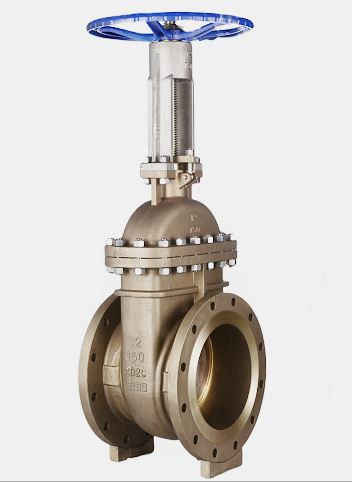
Now, let's talk about how the valve seat design affects the performance of different types of oxygen valves. Take the Oxygen Gate Valve for example. In a gate valve, the valve seat needs to be able to withstand the linear motion of the gate as it opens and closes. The seat design should be such that it doesn't get damaged by the gate moving across it. A well - designed gate valve seat will ensure a tight shut - off, preventing any oxygen from leaking through when the valve is closed.
The Oxygen Check Valve is another important type of oxygen valve. In a check valve, the valve seat needs to allow for the one - way flow of oxygen. The seat design should be optimized so that it can quickly and effectively seal when the flow reverses. This prevents backflow, which can be dangerous in oxygen systems.
When it comes to maintenance, the valve seat design also plays a role. A well - designed valve seat is easier to clean and inspect. If the seat is damaged, it should be easy to replace. This is important because regular maintenance is necessary to keep oxygen valves working properly and safely.
We also need to consider the environment in which the oxygen valve will be used. If the valve is going to be in a high - humidity environment, the valve seat material needs to be resistant to corrosion. In a high - temperature environment, the seat material should be able to maintain its properties without deforming.

In addition to all these technical aspects, cost is also a factor. We want to design valve seats that are cost - effective without sacrificing quality. By using the right materials and manufacturing processes, we can keep the costs down while still providing a high - performance valve seat.
As a supplier of Oxygen Global Valves, we've spent a lot of time researching and developing the best valve seat designs. We test our valves rigorously to make sure they meet all the safety and performance standards. Whether you're in the medical field, where oxygen valves are used in ventilators and anesthesia machines, or in the industrial sector, where oxygen is used in welding and cutting processes, we've got the right valve seat design for you.
If you're in the market for oxygen valves and are interested in learning more about our valve seat designs, or if you're looking to place an order, we'd love to hear from you. Our team of experts is ready to answer all your questions and help you find the perfect valve for your needs. Just reach out to us and let's start a conversation about how we can meet your oxygen valve requirements.
References
- Valve Handbook, 4th Edition
- Oxygen System Design and Safety Guidelines